Septic Tank Company Tampa
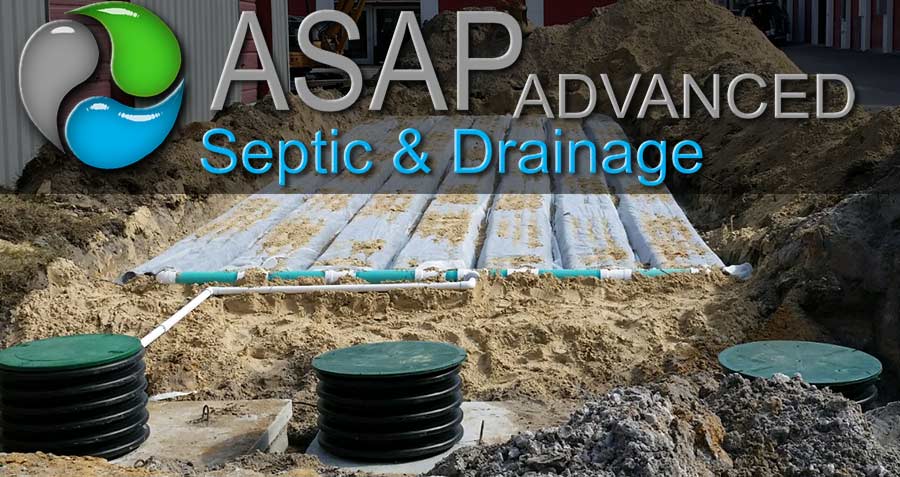
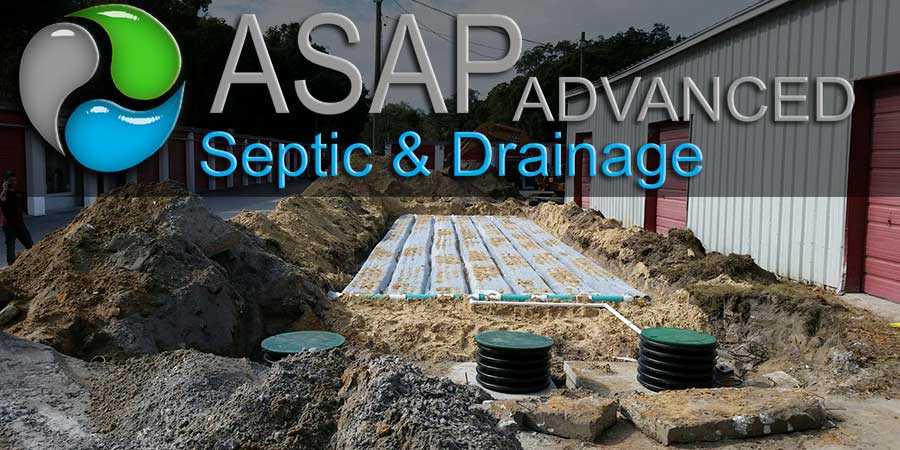
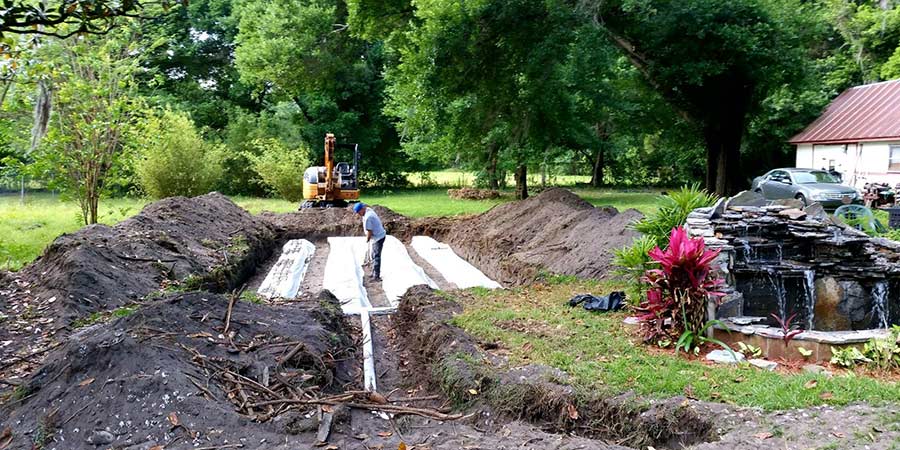
Whether you need to design and install a drain field, repair an existing one, replace an old drain field, or do drain field maintenance, call the experts at ASAP Advanced Septic and Drainage here in Tampa.
We provide quality septic system design, installation, repair, and maintenance.

Contact Info:
Name: Billy Fowler
Email: [email protected]
Organization: ASAP Advanced Septic & Drainage, Inc.
Address: 5011 E Busch Blvd, Tampa, FL 33617
Phone: (813) 986-6070
Septic Service Areas
We perform both commercial and residential septic system service in and around Hillsborough County, Polk County and Pasco County FL.

Find Top-Rated Tampa Septic Tank Services
Local septic tank system cleaning in Tampa, FL. Compare expert Septic Tank System Cleaning and get a free quote. Septic Tank and Well Services Directory for Tampa, Florida. Find Customer-Rated, Prescreened Home Improvement Professionals for Tampa, FL. All Septic Tank and Well Services are rated by previous customers are prescreened.

Failing Drain Field?
ASAP Advanced Septic & Drainage has been servicing septic tanks in Central Florida for 40 years. We are a 3rd generation septic tank service contractors with over 40 years experience. We seek out the latest innovations in the septic tank industry and are well educated in soil science to give our customers the best system for their dollar and location. The individual that arrives to give you a free estimate will be available throughout your new septic tank installation or system repair.

How Septic Tanks Work
If you are in need of servicing on a regular basis, we are able to setup a septic tank service agreement with you. We also provide drain field repair services. All of our jobs are done in complete compliance with Chapter 64-E of the Florida Statute for standards for installation and repair of onsite septic tank systems.
Septic Tank & Well Services in Tampa, FL
ASAP would like to provide the support that is needed in select the absolute best system for your septic tank system project in Tampa. Please feel free to contact us to receive additional information, or to schedule an appointment so we can give you a presentation.

Understanding septic systems capabilities and limits is needed to ensure water quality. A septic system is a type of On-Site Sewage Facility and is a self-contained, underground waste-water treatment system. By using natural processes to treat the waste-water on-site, septic systems do not require the installation of miles of sewer lines, making them less disruptive to the environment. A septic system consists of a septic tank, a distribution system and a soil absorption system, also called a drain field. The septic tank is a watertight box, sometimes made out of concrete or fiberglass, with an inlet and outlet pipe. The septic tank treats the waste-water naturally by holding it in the tank long enough for solids and liquids to separate. The waste-water forms three layers inside the tank. Solids lighter than water float to the top forming a layer of scum.Solids heavier than water settle at the bottom of the tank forming a layer of sludge. This leaves a middle layer of partially clarified waste-water. The layers of sludge and scum remain in the septic tank where bacteria found naturally in the waste-water work to break the solids down. The sludge and scum that cannot be broken down are retained in the tank until the tank is pumped. The layer of liquid flows from the septic tank to the drain field. A drain a series of trenches lined with gravel or sand and below the ground. The drain field treats the waste-water by allowing it to slowly trickle from the pipes out into the gravel and down through the soil. The remaining impurities are trapped and disposed of in the soil. The excess water is eliminated through percolation into the soil, and eventually returning to the ground water, through evaporation, and by uptake through plants and transpiration.The Center for Watershed Protection notes that septic systems can be effective methods of water treatment, however failures are common in many areas. Even properly functioning septic systems can leak and are not designed to effectively deal with most of the phosphorus and nitrogen load found in the water it treats. Pathogenic fecal bacteria are also a concern. The primary concern for a municipality is proper maintenance of septic systems, and in some cases the total load of partially treated pollutants that can impact local drinking water and wildlife. A solid understanding of septic systems capabilities and limits, and a good government plan is needed to ensure water quality.
Septic Tank Pumping Tampa, Florida
We at ASAP Advanced Septic, Inc., know that it is crucial to give the proper support needed to the homeowners, business owners, general contractors, developer projects, and government agencies.
Call us today to take care of your Septic Tank Service needs!

While having a septic system at home is great, it is also a big responsibility. You need to get your pump cleaned every two or three years depending on various factors. This should be done so that the whole system works smoothly and you won't have to keep repairing or even replacing the tank.Important Factors to ConsiderLifestyle: The two major lifestyle factors that affect the septic system are the age of people living in the house and the amount of water that is used at home. Age is an important factor because houses with young children and growing families often use a lot more water and they don't really watch what is being put down the drains. On the other hand, older people, especially couples living on their own, often do not use as much water. So when there is less water being used at home, less solid mater is put down the drain along with the water.When you get your tank pumped, it is advisable to get it inspected as well. Most companies who offer septic services also have certified inspectors who will let you know if there is any damage to the septic system and if any repairs need to be conducted. If you can put in this little effort and ensure that the whole system is cleaned out and inspected occasionally, your septic tank won't only last you for years but it will also work smoothly and manage wastewater effectively.
Septic Tank Service in Tampa, Florida

There are multiple costs associated with a Septic System. I'll start with an explanation of the costs and give the actual estimates at the bottom: Explanation of Septic Costs: Cost to Pump Out the Septic Tank: Homeowners should have a licensed septic contractor pump out their septic tank every 3 to 5 years. If the tank is never pumped, then grease and other particles will flow into the leach field and clog the distribution pipes and the surrounding soil. Once that happens, he will need to have a new leach field installed at a cost of $10,000+. Listing of Estimated Septic Costs: Cost to Pump Out the Septic Tank: $150 to $250 Cost of Septic System Testing with Dye: $75 to $125 Cost to Remove Clog in Pipes to Tank: $50 to $250 (or more, if it's serious) Cost of Complete Visual Inspection: $300 to $600
Tampa Septic Tank Companies

A septic system works as a mini sewage treatment facility mostly built on homes located on areas wherein access to local sewage system is quite difficult. While most are built to last a lifetime, improper septic tank maintenance can lead to damage and early malfunction of the septic system. Thus important points must be remembered in order to keep an effective septic tank system. The following are the most important points in proper care. Controlling water input Water input may seem to have no effect in everyday use, however too much water going down the tank may cause major problems. Overloading the tank with water may slow down the anaerobic digestion process in the system that makes effective. Overflows on the drain field or seepage field may happen that may include floating scum other than the liquids inside the tank that may further cause health and environmental problems. Periodic septic tank inspection While this may only be necessary every several years,it is important nevertheless to avoid abrupt problems occurring to the system. Depending on the capacity of the tank, periodic maintenance procedures must include inspection of the overall septic tank system. It should include checking levels of accumulated solids, floating scum and the water being discharge by the system to the drain field. Understanding the above items and applying them in everyday use may lead to more effective septic tank. Proper septic tank care may not seem important to most home owners since its functions are well hidden in the household, however if willfully neglected may lead the owner to suffer costly repairs, as well as health and environmental issues.
Tampa, FL Septic Tank System Cleaning

Understanding septic systems capabilities and limits is needed to ensure water quality. A septic system is a type of On-Site Sewage Facility and is a self-contained, underground waste-water treatment system. By using natural processes to treat the waste-water on-site, septic systems do not require the installation of miles of sewer lines, making them less disruptive to the environment. A septic system consists of a septic tank, a distribution system and a soil absorption system, also called a drain field. The septic tank is a watertight box, sometimes made out of concrete or fiberglass, with an inlet and outlet pipe. The septic tank treats the waste-water naturally by holding it in the tank long enough for solids and liquids to separate. The waste-water forms three layers inside the tank. Solids lighter than water float to the top forming a layer of scum.Solids heavier than water settle at the bottom of the tank forming a layer of sludge. This leaves a middle layer of partially clarified waste-water. The layers of sludge and scum remain in the septic tank where bacteria found naturally in the waste-water work to break the solids down. The sludge and scum that cannot be broken down are retained in the tank until the tank is pumped. The layer of liquid flows from the septic tank to the drain field. A drain a series of trenches lined with gravel or sand and below the ground. The drain field treats the waste-water by allowing it to slowly trickle from the pipes out into the gravel and down through the soil. The remaining impurities are trapped and disposed of in the soil. The excess water is eliminated through percolation into the soil, and eventually returning to the ground water, through evaporation, and by uptake through plants and transpiration.The Center for Watershed Protection notes that septic systems can be effective methods of water treatment, however failures are common in many areas. Even properly functioning septic systems can leak and are not designed to effectively deal with most of the phosphorus and nitrogen load found in the water it treats. Pathogenic fecal bacteria are also a concern. The primary concern for a municipality is proper maintenance of septic systems, and in some cases the total load of partially treated pollutants that can impact local drinking water and wildlife. A solid understanding of septic systems capabilities and limits, and a good government plan is needed to ensure water quality.
SEPTIC TANK COMPANY TAMPA | WHO TO CALL FOR SEPTIC TANK COMPANY SERVICE IN TAMPA
Septic Tank Service Tampa and surrounding Hillsborough County
Septic Tank Company Tampa