
Septic Tank Repair Brandon
Whether you need to design and install a drain field, repair or an existing one, replace an old drain field, or do drain field maintenance, call the experts at ASAP Advanced Septic and Drainage here in Brandon.
We provide quality septic system design, installation, repair, and maintenance.
Septic System Maintenance
The septic pump is crucial. Should it fail, your system will start to show signs such as improper draining of sinks, toilets and showers or puddles around the drain field. If you see any of these warning signs that may require septic pump repair or maintenance, contact Advanced Septic in Brandon, Florida.
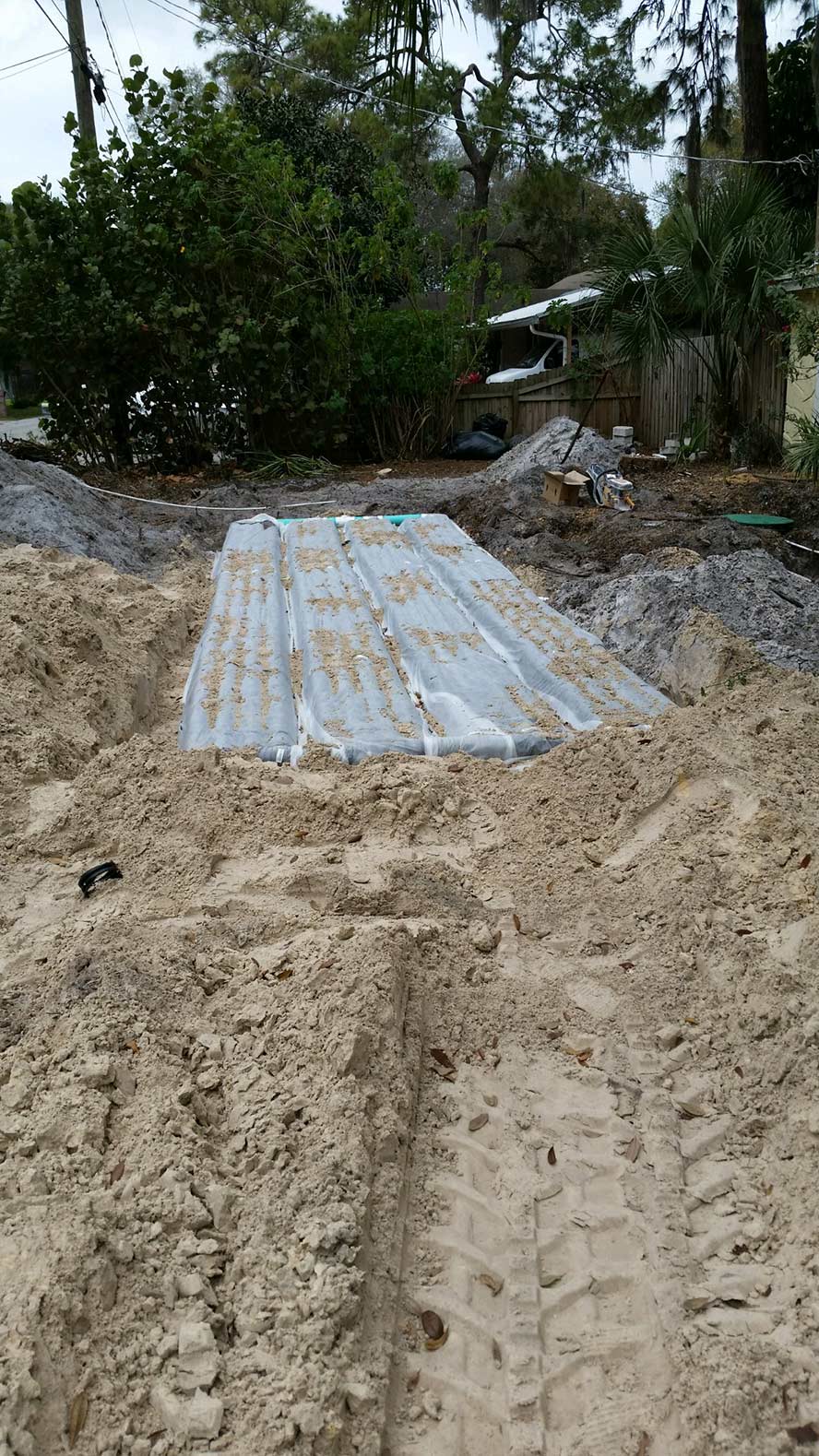
Septic Services
At Brandon Septic, we offer high-quality septic services to Brandon, Plant City, Seffner, Sun City Center, East Tampa, Ruskin River View, and surrounding areas in Florida. We are open 7 days a week from 7am to 7pm, but we are also available after hours for emergency septic services. With over 30 years of experience, no job is too big or too small for our septic service professionals!
Contact Info:
Name: Billy Fowler
Email: [email protected]
Organization: ASAP Advanced Septic & Drainage, Inc.
Address: 5011 E Busch Blvd, Tampa, FL 33617
Phone: (813) 986-6070
Residential & Commercial Services
Here are three reasons you need to call an expert to install your septic system: 1) Cost, 2) Time and 3) Pollution. If you have any questions regarding septic installation or maintenance, contact us today for service today!
We perform both commercial and residential septic system service in and around Hillsborough County, Polk County and Pasco County FL.

Find Top-Rated Brandon Septic Tank Services
Local septic tank system cleaning in Brandon, FL. Compare expert Septic Tank System Cleaning and get a free quote. Septic Tank and Well Services Directory for Brandon, Florida. Find Customer-Rated, Prescreened Home Improvement Professionals for Brandon, FL. All Septic Tank and Well Services are rated by previous customers are prescreened.

Failing Drain Field?
ASAP Advanced Septic & Drainage has been servicing septic tanks in Central Florida for 40 years. We are a 3rd generation septic tank service contractors with over 40 years experience. We seek out the latest innovations in the septic tank industry and are well educated in soil science to give our customers the best system for their dollar and location. The individual that arrives to give you a free estimate will be available throughout your new septic tank installation or system repair.
ASAP Advanced Septic & Drainage is the #1 septic contractor in Brandon, Florida
If you are looking for the best septic contractor; one with experience and integrity, look no further than Brandon Septic!
We work proudly as a team with Quality Septic Install Contractors.
We offer septic solutions for even the worst septic tank repair issues. We offer drain cleaning and repair, septic system repair and maintenance, and septic tank installation.
We keep complete and accurate records for our customers so we can perform timely septic pumping to avoid the problems that occur when a system is overwhelmed. We offer our full line of septic and drain cleaning services to customers in Brandon, Plant City, Seffner, East Tampa, Ruskin River View, and Sun City Center, Florida.
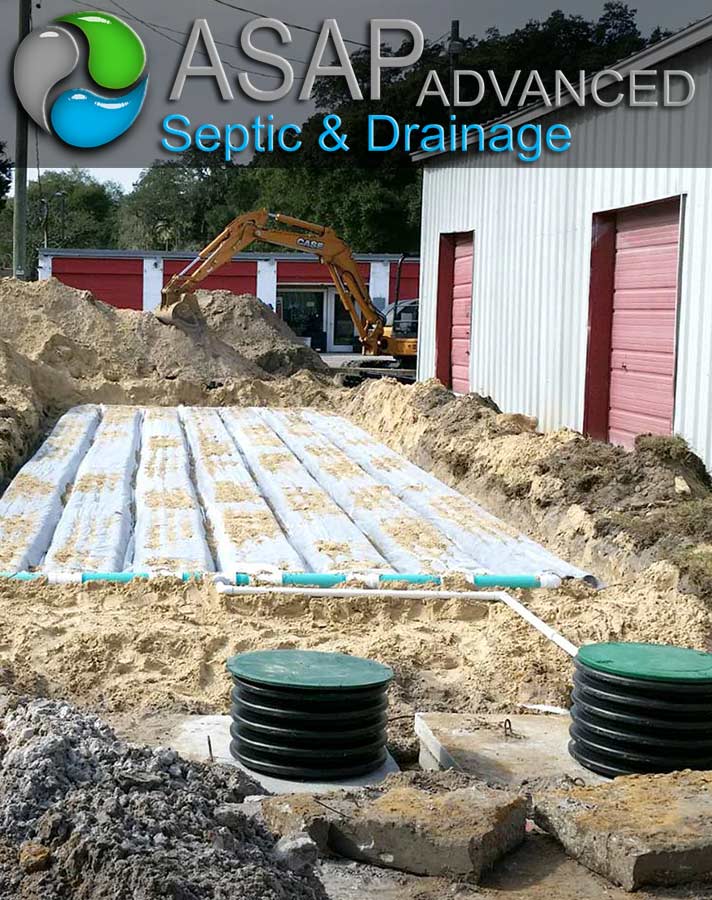
How Septic Tanks Work
If you are in need of servicing on a regular basis, we are able to setup a septic tank service agreement with you. We also provide drain field repair services. All of our jobs are done in complete compliance with Chapter 64-E of the Florida Statute for standards for installation and repair of onsite septic tank systems.
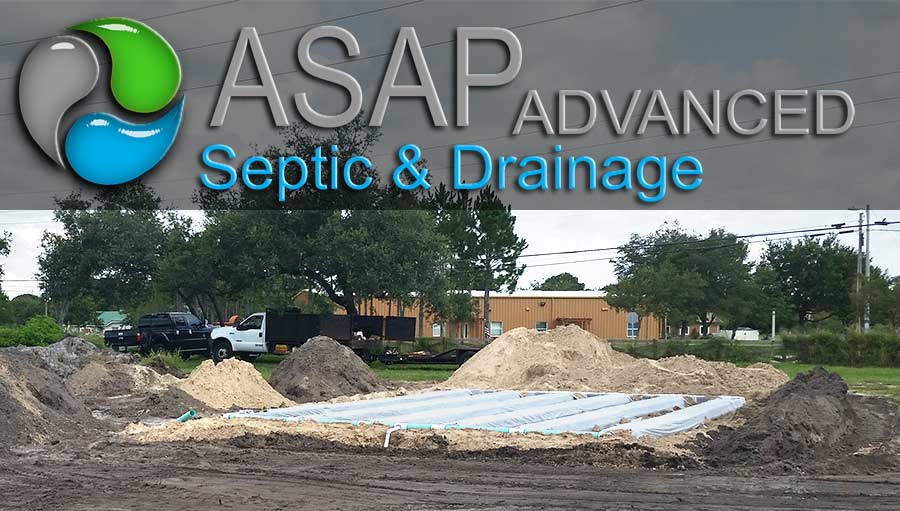
Septic Tank & Well Services in Brandon, FL
ASAP would like to provide the support that is needed in select the absolute best system for your septic tank system project in Brandon. Please feel free to contact us to receive additional information, or to schedule an appointment so we can give you a presentation.

Now that you have chosen to maintain your septic system you are faced with a few question; how will you do it? Where will you start? How much money is it going to cost? Etc. Once you learn more about septic maintenance the more you will realize that choosing to maintain your septic system is a great decision that may potentially save you from terrible odors, clogging, and even more costly repairs.Your septic tank is container that relies on 2 things to work properly: gravity and bacteria. Gravity causes the waste to separate and settle in layers. Bacteria decomposes the waste.. Your septic tank is underground so you never know when you are going to have a problem. Using a septic treatment that contains bacteria and enzymes that boost the bacteria growth is the best and most reliable way to maintain your system. The best way to maintain your septic system is to monitor what goes into your tank and make sure to replenish the good bacteria in your tank.. Avoid harsh cleaners, anti-bacterial cleaners and soaps, and any items that are not organic. Because these items harm the good bacteria in your septic tank, it is important to use a septic maintenance product that contains bacteria and enzymes to replace and replenish those bacteria. Doing both of these things will make septic maintenance easy and affordable.
Septic Tank Pumping Brandon, Florida
We at ASAP Advanced Septic, Inc., know that it is crucial to give the proper support needed to the homeowners, business owners, general contractors, developer projects, and government agencies.
Call us today to take care of your Septic Tank Service needs!

Where your waste goes after it gets flushed down the toilet isn't something that many of us think about very often, nor should it be. Thanks to technological advances in the last century, plumbing and public sanitation has become much more convenient, hygienic and precise. The vast majority of those of us who live in metropolitan areas have our home sewer lines tapped into the city sewer mains, which means that our waste travels to a public treatment plant to be processed. For homes and businesses that cannot tap into public sewer lines, however, using a septic tank is an option that provides similar results in a different manner. They are large holding tanks for sewage, almost always located below ground. They are usually constructed of plastic, and are often able to contain many weeks worth of waste. A septic tank can generally allow for the permanent disposal of waste in one of three ways: by being pumped out on a regular basis, by having bacteria or chemicals applied that eats away the waste naturally, or be allowing the waste to be dispersed naturally into the ground through a leech field. In all of these cases, septic tanks usually require less maintenance than you would think after the initial installation is complete. If you think that you might need to have a tank system installed at a home, business or constructions site, make sure that you research local contractors to see who offers the best prices and service. Thanks to modern technology, you shouldn't notice any discernible difference between being attached to a public sewer system and using a septic tank.
Septic Tank Service in Brandon, Florida
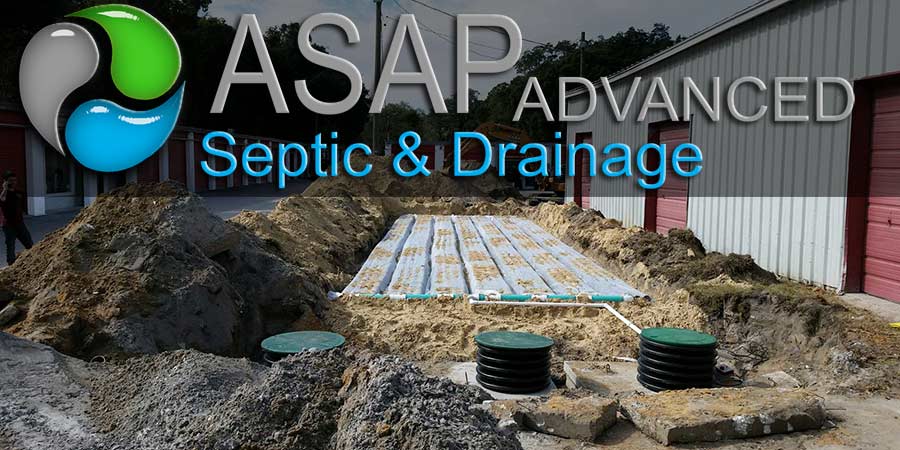
For those people who work with septic trucks and are involved in their day-to-day operation, it is important to know and understand that this piece of equipment should be regularly maintained to accomplish its tasks easily and efficiently.Although this scenario is rare or seems as if it impossible to happen, it is possible for a septic truck to stop working in the middle of a job. This can happen if the equipment is not properly maintained on a regular basis. Following are some guidelines to keep the entire vehicle as well as the system itself in excellent operating condition.Septic Tank Cleaning and MaintenanceIt is approximated that about 25 percent of all households in the United States use septic tank systems. Each system must be regularly maintained to prevent sludge and scum from building up and preventing the whole setup from proper functioning. This means that the septic truck is a piece of equipment that is regularly used to perform routine septic system maintenance.By following and performing these simple tips in maintaining a septic truck, there will be a great impact on the value and profitability of the business investment in this heavy-duty vehicle. Happy cleaning!
Brandon Septic Tank Repair

Correct installation, overall system design and ongoing maintenance performed in your septic system will greatly extend the life and functionality of your homes onsite wastewater treatment center. Following theses prudent guidelines will soon be your first type of defense against overall system failure, odors, wet spots, gurgling sounds and early component breakage. Regular and frequent maintenance may help reduce the danger of well water contamination and can save you countless amounts of dollars in potential repair costs. In most septic systems, wastewater from toilets, sinks, tubs, showers, floor drains and basins flows through a maze of piping out to your tank or pit. The tank is generally constructed of cement or plastic in newer systems with either perforations within the tank itself or in lateral or field lines on the outflow side of the septic. As solids enter the system, they settle to the underside of the septic while bacteria and enzymes decompose the material into water and gases. Fats, oils and grease float to the the surface of the tank and form a scum layer which generally reduces more slowly. Restrictors or baffles prevent the scum layer from leaving the tank and clogging the drainage areas. The tank or pit will normally have access ports consisting of covers or cleanse lines. Septic system pumpers remove undigested solids through these access lines and may do a visual inspection through larger openings as part of a regular maintenance. There are numerous septic system designs ranging from single unit perforated tanks to multi compartment pre treatment reservoirs. Every one of the systems generally depend on bacteria and enzymes to break up waste right into a more manageable byproduct that the drainage area can quicker dispense of. With simple, bacteria rich waste entering the machine, most skeptics’provide several years of service and remain trouble free provided routine maintenance is adhered to. This optimal functionality might be idea but is often not the case in a real life environment. Most household cleaners comprising of laundry detergents, bleach, bath cleaners, kitchen cleaners, anti bacterial soaps and other common cleaners contain ingredients which can be for the most part detrimental to the healthy bacteria life within the system itself. Newer, more bacteria friendly goods are arriving on shelves regularly but are sometimes difficult to find or simply don’t perform as efficiently as their more harmful counterparts. Though some systems allow this tainted or grey water to flow right into a separate leaching area, many systems were created to be able to allow these harsh chemicals to enter directly into the septic system, killing off massive levels of bacteria across the way. If you’re like many individuals, diverting your laundry and other grey water flow can pose a problem and is influenced by whether or not you have an appropriate location to do this and this rerouting is allowed by the local municipality. If you are in a position to reroute your grey water, typically a French drain or drywell system is employed to deal with the waste. For the rest folks, working to boost the bacteria and enzyme counts within your system is the suitable approach to make certain system longevity and functionality. Cutting back on the utilization of, or trading out, harsh chemical cleaners may be the first faltering step to helping healthy bacteria flourish. Major retailers are now actually beginning to hold suitable lines of products that will effectively perform their function without killing off as much bacteria as their standard counterparts. Adding concentrated bacteria to your system is the premier method of assuring that bacteria colonies ado not be reduced to a non-performing state. Luckily, bacteria additives made for septic tank maintenance and complete restoration from failure are readily available. Bacteria, added straight to the machine in a stabilized form, can offset the destructive power of most chemicals and keep your bacteria life healthy and easily available to digest the waste within your system. Choosing bacteria that is chemical resistant and include a very good colony count is of the utmost importance since many over-the-counter products contain minimal amounts in comparison to commercial brands. If you have a septic system and wish to assure that the whole system will perform at maximum capacity for the longest period of time possible, consider greening up your chemical use and utilize a regular septic tank maintenance product designed to increase your colony counts. Both of these methods are the most important factors in maintaining any septic tank or pit type system. Click here : www.asapadvancedseptic.com
Brandon, FL Septic Tank System Cleaning

A septic system works as a mini sewage treatment facility mostly built on homes located on areas wherein access to local sewage system is quite difficult. While most are built to last a lifetime, improper septic tank maintenance can lead to damage and early malfunction of the septic system. Thus important points must be remembered in order to keep an effective septic tank system. The following are the most important points in proper care. Controlling water input Water input may seem to have no effect in everyday use, however too much water going down the tank may cause major problems. Overloading the tank with water may slow down the anaerobic digestion process in the system that makes effective. Overflows on the drain field or seepage field may happen that may include floating scum other than the liquids inside the tank that may further cause health and environmental problems. Periodic septic tank inspection While this may only be necessary every several years,it is important nevertheless to avoid abrupt problems occurring to the system. Depending on the capacity of the tank, periodic maintenance procedures must include inspection of the overall septic tank system. It should include checking levels of accumulated solids, floating scum and the water being discharge by the system to the drain field. Understanding the above items and applying them in everyday use may lead to more effective septic tank. Proper septic tank care may not seem important to most home owners since its functions are well hidden in the household, however if willfully neglected may lead the owner to suffer costly repairs, as well as health and environmental issues.
SEPTIC TANK SERVICE BRANDON, FL. SEPTIC TANK PUMPING, SEPTIC CLEANING BRANDON, SEPTIC REPAIR AND INSTALLATION.
SEPTIC TANK Repair Brandon | WHO TO CALL FOR SEPTIC TANK Repair SERVICE IN Brandon
Septic Tank Service Brandon and surrounding Hillsborough County
Septic Tank Repair Brandon
Brandon
Septic Tank Service Brandon and surrounding Hillsborough County
Septic Tank Company Brandon