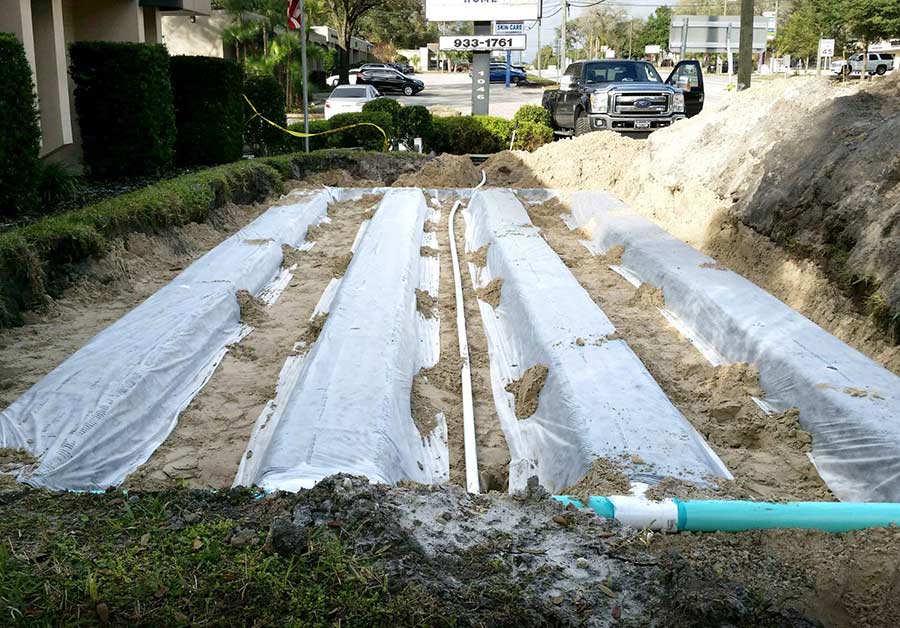
A septic system consists of a septic tank and drain field, and in some cases a pump tank for those who cannot gravity feed to the drain field like here in many parts of Pasco County. Septic systems can last for decades, if given the proper maintenance along with some helpful tips and knowledge that all homeowners should know.
Contact Info: Name: Billy Fowler Email: [email protected] Organization: ASAP Advanced Septic & Drainage, Inc. Address: 5011 E Busch Blvd, Tampa, FL 33617 Phone: (813) 986-6070
Septic Tanks - Ensuring Water Quality
Septic tanks are a great solution for remote or urban property owners who either cannot or do not want to be part of a municipal sewage system. A septic system is connected directly to the pipes of the residence or business and serves as an immediate filter and containment unit for water-bound domestic waste. There are certain risks related to the installation and maintenance of a septic tank; such risks have resulted in rules that need to be followed to protect the environment and property especially with the regular removal of the contents of the tank by a vacuum truck.
Frequency
Depending on the size of the unit and the household, a tank must be emptied every three to five years. This is necessary not only because of space limitations but also because the tank needs to be inspected with some regularity to check for cracks, leaks and blockages. Other reasons are as follows:
Emergencies - Pumping can also become necessary in cases of emergency. Sewage backup and drain clogging may occur due to blockages which need to be cleared immediately to keep the problem from escalating. Flooding can cause similar problems.
Precautionary Measure - Emptying the primary container can also be a precautionary measure when there are many household members; parties with many guests; or other circumstances where many people would be using the toilets.
Odors - Sometimes tanks are suctioned due to permeating sewer odors escaping from the system as that could be a symptom of leaking gas needing to be repaired separately. Evidence of septic failure must be attended to immediately by a professional repair company.
Selling Property - It is also customary to pump out the septic system before selling property.
Septic tanks serve a very useful purpose for many households. As long as properly maintained by regular pumping, cleaning and inspections, they should correctly function under all conditions and for a long service life. Hopefully this information will be helpful in knowing how a septic tank is cleaned!
Typically, a 3 bedroom home with 2250 sq ft of living or less has a 900 gallon septic tank and can be used here in Pasco County . The septic tank receives all the waste water from a home. This includes showers, toilets, washing machine, dishwasher and sinks. According to the American water works association, the average person uses about 70 gallons per day on average. The family of 4 would add up to 280 gallons a day. So, just imagine how fast your septic tank will fill up, and how much water must flow through the tank to make it out to the drain field.
Tips for Maintaining Your Septic Tank
For those people who work with septic trucks and are involved in their day-to-day operation, it is important to know and understand that this piece of equipment should be regularly maintained to accomplish its tasks easily and efficiently.
Although this scenario is rare or seems as if it impossible to happen, it is possible for a septic truck to stop working in the middle of a job. This can happen if the equipment is not properly maintained on a regular basis. Following are some guidelines to keep the entire vehicle as well as the system itself in excellent operating condition.
Septic Tank Cleaning and Maintenance
It is approximated that about 25 percent of all households in the United States use septic tank systems. Each system must be regularly maintained to prevent sludge and scum from building up and preventing the whole setup from proper functioning. This means that the septic truck is a piece of equipment that is regularly used to perform routine septic system maintenance.
By following and performing these simple tips in maintaining a septic truck, there will be a great impact on the value and profitability of the business investment in this heavy-duty vehicle. Happy cleaning!
Through consistent septic tank pumping, and by following these important tips can help avoid costly backup and also increase the life of your system.
How Is a Septic Tank Cleaned?
A septic system works as a mini sewage treatment facility mostly built on homes located on areas wherein access to local sewage system is quite difficult. While most are built to last a lifetime, improper septic tank maintenance can lead to damage and early malfunction of the septic system. Thus important points must be remembered in order to keep an effective septic tank system.
The following are the most important points in proper care.
Controlling water input
Water input may seem to have no effect in everyday use, however too much water going down the tank may cause major problems. Overloading the tank with water may slow down the anaerobic digestion process in the system that makes effective. Overflows on the drain field or seepage field may happen that may include floating scum other than the liquids inside the tank that may further cause health and environmental problems.
Periodic septic tank inspection
While this may only be necessary every several years,it is important nevertheless to avoid abrupt problems occurring to the system. Depending on the capacity of the tank, periodic maintenance procedures must include inspection of the overall septic tank system. It should include checking levels of accumulated solids, floating scum and the water being discharge by the system to the drain field.
Understanding the above items and applying them in everyday use may lead to more effective septic tank. Proper septic tank care may not seem important to most home owners since its functions are well hidden in the household, however if willfully neglected may lead the owner to suffer costly repairs, as well as health and environmental issues.
Septic tanks are a great solution for remote or urban property owners who either cannot or do not want to be part of a municipal sewage system. A septic system is connected directly to the pipes of the residence or business and serves as an immediate filter and containment unit for water-bound domestic waste. There are certain risks related to the installation and maintenance of a septic tank; such risks have resulted in rules that need to be followed to protect the environment and property especially with the regular removal of the contents of the tank by a vacuum truck.
Frequency
Depending on the size of the unit and the household, a tank must be emptied every three to five years. This is necessary not only because of space limitations but also because the tank needs to be inspected with some regularity to check for cracks, leaks and blockages. Other reasons are as follows:
Emergencies – Pumping can also become necessary in cases of emergency. Sewage backup and drain clogging may occur due to blockages which need to be cleared immediately to keep the problem from escalating. Flooding can cause similar problems.
Precautionary Measure – Emptying the primary container can also be a precautionary measure when there are many household members; parties with many guests; or other circumstances where many people would be using the toilets.
Odors – Sometimes tanks are suctioned due to permeating sewer odors escaping from the system as that could be a symptom of leaking gas needing to be repaired separately. Evidence of septic failure must be attended to immediately by a professional repair company.
Selling Property – It is also customary to pump out the septic system before selling property.
Septic tanks serve a very useful purpose for many households. As long as properly maintained by regular pumping, cleaning and inspections, they should correctly function under all conditions and for a long service life. Hopefully this information will be helpful in knowing how a septic tank is cleaned!
Follow these safety tips given below when inspecting your septic system:
1. Septic tank lid
Make sure that the access port of your tank is covered with a solid lid. Make sure that the lid is strong enough. Kids should not be able to open it. If you have no idea as to how to install the system, you can call a professional for help. The company will be more than happy to help with the inspection.
2. The tank opening
You should never lean over the septic tank opening. The reason is that the gasses that come out of the tank may knock you out. You may also fall in the tank, which may prove fatal.
3. Driving Over The septic system
Driving heavy machine on the ground where the tank system is buried is not a good idea. Actually, you may have to bear heavy costs in order to get the broken pipes repaired. So, make sure you don’t drive heavy equipment or machinery on the ground where you buried the tank system.
Contact Info: Name: Billy Fowler Email: [email protected] Organization: ASAP Advanced Septic & Drainage, Inc. Address: 5011 E Busch Blvd, Tampa, FL 33617 Phone: (813) 986-6070
Septic Tank Installation, Repair and Replacement
Maintaining a septic system is not a difficult job. As a matter of fact, it won't cost you a lot to maintain one. If you need some tips to care for your septic system, we suggest that you follow the tips given below.Perform Inspections FrequentlyIdeally, you should inspect your installation once every three years. For this, we suggest that you hire a good professional. Typically, household tanks are pumped once every 3 to 5 years. Moreover, alternative systems that have float switches, mechanical parts or pumps should be checked more frequently. Below are factors that can help you determine how often you should check the system.· The size of your septic tank· Amount of solid in the wastewater· Wastewater generated· Photographic solution· Flushable wipes· Condoms· Diapers· Coffee grounds· Cigarette butts· Paper towelsMaintain The Drain fieldYour drain field is part of your septic system. It removes a large amount of contaminants that get out of your septic tank. Given below are a few things that you can do for its upkeep.· You should never drive or park in the drain field· If you plant trees, plant them away from the drain field.· Keep your sump pumps, roof drains and other drainage systems a bit away from the drain field place.So, if you have been looking for a guide for taking care of your septic system, we suggest that you use the tips given in this article. Hope this helps.
Clean Your Septic Tank Before the Party!
For those people who work with septic trucks and are involved in their day-to-day operation, it is important to know and understand that this piece of equipment should be regularly maintained to accomplish its tasks easily and efficiently.Although this scenario is rare or seems as if it impossible to happen, it is possible for a septic truck to stop working in the middle of a job. This can happen if the equipment is not properly maintained on a regular basis. Following are some guidelines to keep the entire vehicle as well as the system itself in excellent operating condition.Septic Tank Cleaning and MaintenanceIt is approximated that about 25 percent of all households in the United States use septic tank systems. Each system must be regularly maintained to prevent sludge and scum from building up and preventing the whole setup from proper functioning. This means that the septic truck is a piece of equipment that is regularly used to perform routine septic system maintenance.By following and performing these simple tips in maintaining a septic truck, there will be a great impact on the value and profitability of the business investment in this heavy-duty vehicle. Happy cleaning!
Septic Leach Field Lines Clogged by Tree Roots: Cheap Drain Fix
For those people who work with septic trucks and are involved in their day-to-day operation, it is important to know and understand that this piece of equipment should be regularly maintained to accomplish its tasks easily and efficiently.
Although this scenario is rare or seems as if it impossible to happen, it is possible for a septic truck to stop working in the middle of a job. This can happen if the equipment is not properly maintained on a regular basis. Following are some guidelines to keep the entire vehicle as well as the system itself in excellent operating condition.
Septic Tank Cleaning and Maintenance
It is approximated that about 25 percent of all households in the United States use septic tank systems. Each system must be regularly maintained to prevent sludge and scum from building up and preventing the whole setup from proper functioning. This means that the septic truck is a piece of equipment that is regularly used to perform routine septic system maintenance.
By following and performing these simple tips in maintaining a septic truck, there will be a great impact on the value and profitability of the business investment in this heavy-duty vehicle. Happy cleaning!
How To Properly Clean Your Septic Tank
What is a lint trap?
Lint traps are mesh screens that are designed to go over the discharge hose of a washing machine that empties into a sink, and are also known as lint snares or lint filters. They can be made of aluminum, stainless steel or nylon. They are used to capture any lint that is discharged from the water to keep it from going down the sink. Lint traps are more important today since washing machines no longer come with a built in lint filter, as a result, more lint gets washed down the drain, and stays on the clothes.
If you are anything at all like me, you realize the effect that lint from your laundry has on your pipes, sink and septic system. This lint that is discharged with the water, clogs your pipes and can harm the flow of your septic system. It took a while before I realized that there were pre made solutions out there that were easy to use and inexpensive to buy. To me time is money and searching for a old nylon stocking and finding something to attach it with onto the hose so that it wouldn’t come off when the water was coming out of the hose, was more of a pain and more expensive time-wise for me.
If I have to spend more than 15 minutes to create something, then it’s worth the $5 to just buy the solution. To create my own solution meant that I would have to find a nylon that was long enough and still had enough integrity to it to effectively filter out the lint. I would then have to find a rubber band that would twist tight enough to hold the nylon in place for until it was time to replace it. This solution worked in being able to reduce the lint, however the solution was always haphazard and took way to much time for me to spend to get it to work. Luckily I found these lint traps that are especially made for washing machine drain hoses to specifically filter the lint from the drain water. The particular snares I found are made of stainless steel and come with an attachment tie that holds the filter to the hose tight enough to keep it secure when the water discharges from the laundry machine. The great thing is that there is no additional equipment needed to attach them to the washing machine output hose. That means I don’t have to spend time searching the house for something to attach it with. Remember for me, time is money. Once the lint traps get full of lint, the best practice is to replace them when they are about 1/2 full, although I have seen them 90% full before they were changed.
5 packs of lint traps on Amazon are available for purchase or you can just search for washing machine hose lint filters on Amazon and see what comes up.
Some problems that Lint Snares keep us from having to experience:
- clogged sink drains that are caked with lint from the discharge water during the laundry machine spin cycle
- your sink filling up with water during the water discharge because the drainage screens get filled with lint over time and begin to block the water from draining out of the sink.
- globs of lint getting stuck to the side of the sink to have to be washed out time and time again… more maintenance!
Unfortunately these lint traps don't solve the problem of more lint on our clothes now after the wash cycle..... That is another problem for another solution to handle.
Washing Machine Lint Traps Facts
- Usually made in China but some are made in the USA too. - comes in a range from a pack of 2 to a pack of 50 lint traps and ties. - simple to install - includes ties to attach lint filters to the output hose and no additional tools are needed. - large enough to fit almost all washer hose sizes. - they can be made from stainless steel, aluminum or nylon - they should be replaced when they are half full.
What are some benefits of Washing Machine Lint Traps?
1. Lint Traps Help to Protect Your Septic Sewage System
Households that utilize septic systems have to especially be aware of what goes down their drains and their toilets. With many homes, their drain water flows into the septic drain field, therefore it must remain clear of debris so water can pass freely through the drainage field. Most lint from the washing machine is made of non biodegradable particles and if these particles eventually build up in the lint field, then they will eventually create enough of a blockage to reduce the efficiency of the drain field, thus causing the septic system to fail over time because the water can no long pass through it easily. Filtering out the lint from the water will go a long way over time to keep the drainage field free of non biodegradable particles, so therefore, using lint snares will keep the health of your septic system in tact.
2. Washing Machine Lint Filters Protect the Household Plumbing
I have read many stories about homeowners having to deal with clogged pipes and needing to call the plumber out to clean the out. One particular story I read was the plumber showed the homeowner some of what was stuck in the pipe and there was a lot of lint fiber that was mixed with food particles and grease stuck to the pipe. That combination of substances cause a hard layer of coating that caked on the pipes over time. This particular plumber shared with the homeowner one thing that would keep that from occurring again. The plumber told the homeowner about lint traps and how that would keep the lint out of the drainage water. The homeowner had never heard of them before so they were quite grateful and began using them right away. They have since been rewarded with trouble free plumbing. It’s great when a plumber is willing to empower their customers enough to talk them out of future work!
When lint builds up from washing machine waste water, it can create problems for homeowners. The two mentioned above and in addition, lint build up from sinks can occur as well. That is one more thing that needs to be taken care of in regards to home maintenance that these filters can help you with. The good thing is that these solutions are very inexpensive and are very simple to install. They can be found at the hardware store, or on online places like Amazon and other retailer websites.
So, these are a few precautions that you may want to take if you are going to work on a septic tank system. This is important should you want to keep you and your family safe around the system. When in doubt, it’s a good idea to call a local septic service in Pasco County. Hopefully, these tips will help.
In order to ensure that your septic tank has no damages, you need to monitor it regularly. It is necessary to get in touch with the health department in your area to know about the regulations in terms of maintaining a septic tank. In case you face some septic tank issues, you have to hire a septic tank repair professional to take care of the operation. Your local health department can surely help you in finding the professional. But to make sure that your tank is working well all the time, here are some precautions that you can consider.
Always Maintain Your Septic System
There are many things that you can do to maintain your septic tank and you can go online to get some ideas. But one common way is to always be aware of how long you have last pumped your tank. Also, you have to know the last time you had issues with it. A lot of sewer and cleaning services stressed that it is necessary to your tank every three to five years. As a precaution to some tank problems in the future, you should know where your septic system is exactly located.
Be Alert in Determining Trouble Signs
Whenever you suspect tank leaking, you must contact your local health department immediately so the situation can be dealt with. Leakage signs include grass growth abundance in the drain field and overflow of water around the system. If your home is situated near a river or lake you observe that your friends or family have been experiencing illnesses after they swam into the water source, find a professional to test your water because it may be contaminated already. Be alert with unusual odors which could develop around the place.