A septic system consists of a septic tank and drain field, and in some cases a pump tank for those who cannot gravity feed to the drain field like here in many parts of Pasco County. Septic systems can last for decades, if given the proper maintenance along with some helpful tips and knowledge that all homeowners should know.
Contact Info:
Name: Billy Fowler
Email: [email protected]
Organization: ASAP Advanced Septic & Drainage, Inc.
Address: 5011 E Busch Blvd, Tampa, FL 33617
Phone: (813) 986-6070
Clean Your Septic Tank Before the Party!

Septic tank problems often occur with systems that are onion- shaped. The liquids and solids in a septic tank are separated by a baffle that comes in the form of a ball-shaped figure, or an inner sleeve shaped skin that has hooks attached to it at the top of the inner side of the neck. However, the wear and tear in the passing years may tear off the baffle allowing it to sink in the tank. Also, the ball in the receptacle may be knocked loose and disentangle itself. Most septic system problems begin with these two scenarios because liquid and solid wastes combine as they go through the soak away and this may cause a blockage. One way to address septic tank problems especially if the baffle collapsed is for a homeowner to set-up a filter for his tank. Filters like these can be placed by a homeowner inside an outlet pipe, so that the septic system can function more effectively not to mention that it can save one a significant amount of money. However, if problems are more acute, a homeowner has no other recourse but to replace his or her old septic tank. Another concern that is related to cesspit are open, loose, or worn-out manhole covers. Other problems that can be resolved yourself are solids blocking the soakway. A T-bar can used to unblock the passage. This very basic baffle is made of clay, but for those who want to replace it with a current version. The replacements units are generally reproduced in plastic to save on cost. However, one has to be careful with these baffles because if they are not correctly installed, the solids will still enter the soakway unhampered causing more damage. A homeowner would perhaps consider buying septic tank filler for him to solve his septic tank problems himself and save on the installation costs. On the other hand, this type of job is often better handled by a professional who isn't afraid to get his hands dirty.
Typically, a 3 bedroom home with 2250 sq ft of living or less has a 900 gallon septic tank and can be used here in Pasco County . The septic tank receives all the waste water from a home. This includes showers, toilets, washing machine, dishwasher and sinks. According to the American water works association, the average person uses about 70 gallons per day on average. The family of 4 would add up to 280 gallons a day. So, just imagine how fast your septic tank will fill up, and how much water must flow through the tank to make it out to the drain field.
Septic Tank Maintenance - 5 Essential Factors For Proper Septic Systems

Septic system problems can occur and worsen extremely quickly. Learn how to identify issues with septic drain fields so that you can minimize damage and get the necessary repairs as soon as possible. When you live in an area that is not connected to a municipal sewer system, your septic tank and system are an essential part of your day-to-day life. As such, it's vital to keep them in good working order and to deal with any issues that come up as soon as possible. Septic system drain fields, in particular, often experience issues. Find out what problems to keep an eye out for, and how your local septic repair and service firm can resolve them so that your septic system stays in top shape. Drain fields are the part of your septic system where organic liquid waste drains out of the septic tank and is treated. After solid waste settles to the bottom of the septic tank, the remaining wastewater passes into perforated pipes. These pipes are covered by a layer of soil and disperse the wastewater over a large area. The wastewater then travels through a layer of gravel, then through a layer of soil. Here, bacteria in the soil filter the wastewater so that it is neutral before it reaches a groundwater level. Your drain field is the unseen hero of your septic system. From root removal to tank clean out, make sure you take care of it so that it will stay healthy and intact for years to come.
Through consistent septic tank pumping, and by following these important tips can help avoid costly backup and also increase the life of your system.
Septic Tanks - Ensuring Water Quality
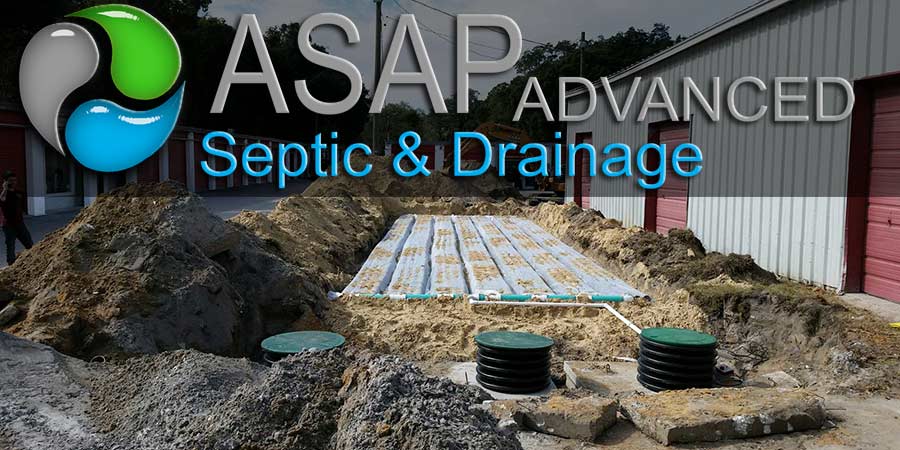
Septic system problems can occur and worsen extremely quickly. Learn how to identify issues with septic drain fields so that you can minimize damage and get the necessary repairs as soon as possible. When you live in an area that is not connected to a municipal sewer system, your septic tank and system are an essential part of your day-to-day life. As such, it's vital to keep them in good working order and to deal with any issues that come up as soon as possible. Septic system drain fields, in particular, often experience issues. Find out what problems to keep an eye out for, and how your local septic repair and service firm can resolve them so that your septic system stays in top shape. Drain fields are the part of your septic system where organic liquid waste drains out of the septic tank and is treated. After solid waste settles to the bottom of the septic tank, the remaining wastewater passes into perforated pipes. These pipes are covered by a layer of soil and disperse the wastewater over a large area. The wastewater then travels through a layer of gravel, then through a layer of soil. Here, bacteria in the soil filter the wastewater so that it is neutral before it reaches a groundwater level. Your drain field is the unseen hero of your septic system. From root removal to tank clean out, make sure you take care of it so that it will stay healthy and intact for years to come.
- Sewage Tank Pumping Pasco County
- Septic Tank Service Crystal Springs
- Drain Field Inspection Dade City
- Best Septic Tank Contractor Hudson
- Cost Of Septic Tank Cleaning Lacoochee
- Septic System Service Land O Lakes
- Cleaning Septic Tank Service New Port Richey
- Drain Field Installation Company Port Richey
- Septic System Pumping Shady Hills
- Sewage Tank Repair St Leo
- Septic Tank Repair Wesley Chapel
- Septic System Cleaning Service Zephyrhills