A septic system consists of a septic tank and drain field, and in some cases a pump tank for those who cannot gravity feed to the drain field like here in many parts of Pasco County. Septic systems can last for decades, if given the proper maintenance along with some helpful tips and knowledge that all homeowners should know.
Contact Info:
Name: Billy Fowler
Email: [email protected]
Organization: ASAP Advanced Septic & Drainage, Inc.
Address: 5011 E Busch Blvd, Tampa, FL 33617
Phone: (813) 986-6070
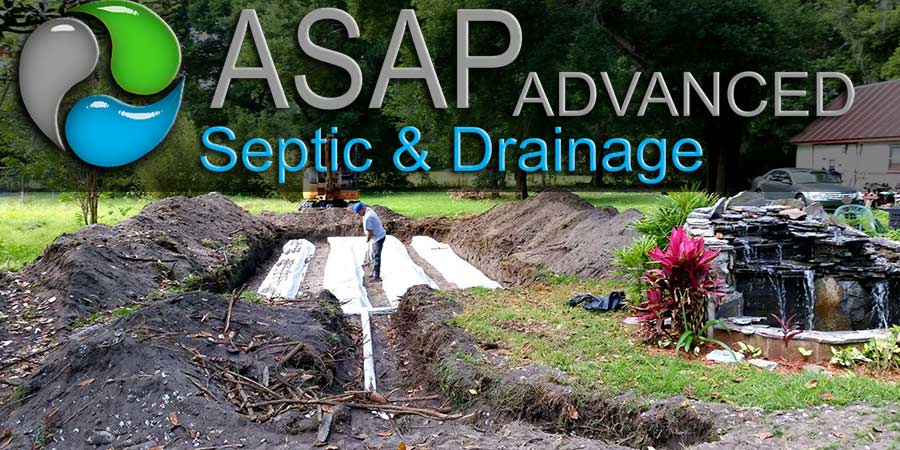
Septic Leach Field Lines Clogged by Tree Roots: Cheap Drain Fix
For those people who work with septic trucks and are involved in their day-to-day operation, it is important to know and understand that this piece of equipment should be regularly maintained to accomplish its tasks easily and efficiently.Although this scenario is rare or seems as if it impossible to happen, it is possible for a septic truck to stop working in the middle of a job. This can happen if the equipment is not properly maintained on a regular basis. Following are some guidelines to keep the entire vehicle as well as the system itself in excellent operating condition.Septic Tank Cleaning and MaintenanceIt is approximated that about 25 percent of all households in the United States use septic tank systems. Each system must be regularly maintained to prevent sludge and scum from building up and preventing the whole setup from proper functioning. This means that the septic truck is a piece of equipment that is regularly used to perform routine septic system maintenance.By following and performing these simple tips in maintaining a septic truck, there will be a great impact on the value and profitability of the business investment in this heavy-duty vehicle. Happy cleaning!
Typically, a 3 bedroom home with 2250 sq ft of living or less has a 900 gallon septic tank and can be used here in Pasco County . The septic tank receives all the waste water from a home. This includes showers, toilets, washing machine, dishwasher and sinks. According to the American water works association, the average person uses about 70 gallons per day on average. The family of 4 would add up to 280 gallons a day. So, just imagine how fast your septic tank will fill up, and how much water must flow through the tank to make it out to the drain field.
Septic Drain Field Problems and Repair: What to Look for and How to Get the Help You Need

Septic system problems can occur and worsen extremely quickly. Learn how to identify issues with septic drain fields so that you can minimize damage and get the necessary repairs as soon as possible. When you live in an area that is not connected to a municipal sewer system, your septic tank and system are an essential part of your day-to-day life. As such, it's vital to keep them in good working order and to deal with any issues that come up as soon as possible. Septic system drain fields, in particular, often experience issues. Find out what problems to keep an eye out for, and how your local septic repair and service firm can resolve them so that your septic system stays in top shape. Drain fields are the part of your septic system where organic liquid waste drains out of the septic tank and is treated. After solid waste settles to the bottom of the septic tank, the remaining wastewater passes into perforated pipes. These pipes are covered by a layer of soil and disperse the wastewater over a large area. The wastewater then travels through a layer of gravel, then through a layer of soil. Here, bacteria in the soil filter the wastewater so that it is neutral before it reaches a groundwater level. Your drain field is the unseen hero of your septic system. From root removal to tank clean out, make sure you take care of it so that it will stay healthy and intact for years to come.
Through consistent septic tank pumping, and by following these important tips can help avoid costly backup and also increase the life of your system.
How Is a Septic Tank Cleaned?

Where your waste goes after it gets flushed down the toilet isn't something that many of us think about very often, nor should it be. Thanks to technological advances in the last century, plumbing and public sanitation has become much more convenient, hygienic and precise. The vast majority of those of us who live in metropolitan areas have our home sewer lines tapped into the city sewer mains, which means that our waste travels to a public treatment plant to be processed. For homes and businesses that cannot tap into public sewer lines, however, using a septic tank is an option that provides similar results in a different manner. They are large holding tanks for sewage, almost always located below ground. They are usually constructed of plastic, and are often able to contain many weeks worth of waste. A septic tank can generally allow for the permanent disposal of waste in one of three ways: by being pumped out on a regular basis, by having bacteria or chemicals applied that eats away the waste naturally, or be allowing the waste to be dispersed naturally into the ground through a leech field. In all of these cases, septic tanks usually require less maintenance than you would think after the initial installation is complete. If you think that you might need to have a tank system installed at a home, business or constructions site, make sure that you research local contractors to see who offers the best prices and service. Thanks to modern technology, you shouldn't notice any discernible difference between being attached to a public sewer system and using a septic tank.
- Sewage Tank Pumping Pasco County
- Septic Tank Service Crystal Springs
- Drain Field Inspection Dade City
- Best Septic Tank Contractor Hudson
- Cost Of Septic Tank Cleaning Lacoochee
- Septic System Service Land O Lakes
- Cleaning Septic Tank Service New Port Richey
- Drain Field Installation Company Port Richey
- Septic System Pumping Shady Hills
- Sewage Tank Repair St Leo
- Septic Tank Repair Wesley Chapel
- Septic System Cleaning Service Zephyrhills