
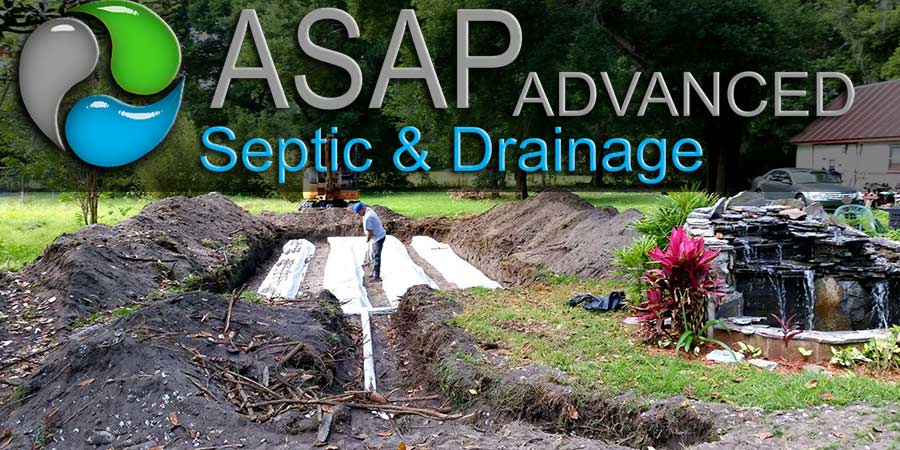
A septic system consists of a septic tank and drain field, and in some cases a pump tank for those who cannot gravity feed to the drain field like here in many parts of Hillsborough County. Septic systems can last for decades, if given the proper maintenance along with some helpful tips and knowledge that all homeowners should know.
Contact Info:
Name: Billy Fowler
Email: [email protected]
Organization: ASAP Advanced Septic & Drainage, Inc.
Address: 5011 E Busch Blvd, Tampa, FL 33617
Phone: (813) 986-6070
Clean Your Septic Tank Before the Party!

Understanding septic systems capabilities and limits is needed to ensure water quality. A septic system is a type of On-Site Sewage Facility and is a self-contained, underground waste-water treatment system. By using natural processes to treat the waste-water on-site, septic systems do not require the installation of miles of sewer lines, making them less disruptive to the environment. A septic system consists of a septic tank, a distribution system and a soil absorption system, also called a drain field. The septic tank is a watertight box, sometimes made out of concrete or fiberglass, with an inlet and outlet pipe. The septic tank treats the waste-water naturally by holding it in the tank long enough for solids and liquids to separate. The waste-water forms three layers inside the tank. Solids lighter than water float to the top forming a layer of scum.Solids heavier than water settle at the bottom of the tank forming a layer of sludge. This leaves a middle layer of partially clarified waste-water. The layers of sludge and scum remain in the septic tank where bacteria found naturally in the waste-water work to break the solids down. The sludge and scum that cannot be broken down are retained in the tank until the tank is pumped. The layer of liquid flows from the septic tank to the drain field. A drain a series of trenches lined with gravel or sand and below the ground. The drain field treats the waste-water by allowing it to slowly trickle from the pipes out into the gravel and down through the soil. The remaining impurities are trapped and disposed of in the soil. The excess water is eliminated through percolation into the soil, and eventually returning to the ground water, through evaporation, and by uptake through plants and transpiration.The Center for Watershed Protection notes that septic systems can be effective methods of water treatment, however failures are common in many areas. Even properly functioning septic systems can leak and are not designed to effectively deal with most of the phosphorus and nitrogen load found in the water it treats. Pathogenic fecal bacteria are also a concern. The primary concern for a municipality is proper maintenance of septic systems, and in some cases the total load of partially treated pollutants that can impact local drinking water and wildlife. A solid understanding of septic systems capabilities and limits, and a good government plan is needed to ensure water quality.
Typically, a 3 bedroom home with 2250 sq ft of living or less has a 900 gallon septic tank and can be used here in Hillsborough County . The septic tank receives all the waste water from a home. This includes showers, toilets, washing machine, dishwasher and sinks. According to the American water works association, the average person uses about 70 gallons per day on average. The family of 4 would add up to 280 gallons a day. So, just imagine how fast your septic tank will fill up, and how much water must flow through the tank to make it out to the drain field.
Important Information About Cleaning a Septic Truck
Maintaining a septic system is not a difficult job. As a matter of fact, it won't cost you a lot to maintain one. If you need some tips to care for your septic system, we suggest that you follow the tips given below.Perform Inspections FrequentlyIdeally, you should inspect your installation once every three years. For this, we suggest that you hire a good professional. Typically, household tanks are pumped once every 3 to 5 years. Moreover, alternative systems that have float switches, mechanical parts or pumps should be checked more frequently. Below are factors that can help you determine how often you should check the system.· The size of your septic tank· Amount of solid in the wastewater· Wastewater generated· Photographic solution· Flushable wipes· Condoms· Diapers· Coffee grounds· Cigarette butts· Paper towelsMaintain The Drain fieldYour drain field is part of your septic system. It removes a large amount of contaminants that get out of your septic tank. Given below are a few things that you can do for its upkeep.· You should never drive or park in the drain field· If you plant trees, plant them away from the drain field.· Keep your sump pumps, roof drains and other drainage systems a bit away from the drain field place.So, if you have been looking for a guide for taking care of your septic system, we suggest that you use the tips given in this article. Hope this helps.
Through consistent septic tank pumping, and by following these important tips can help avoid costly backup and also increase the life of your system.
Septic Pumping - Do You Want to Save Money?

There are multiple costs associated with a Septic System. I'll start with an explanation of the costs and give the actual estimates at the bottom: Explanation of Septic Costs: Cost to Pump Out the Septic Tank: Homeowners should have a licensed septic contractor pump out their septic tank every 3 to 5 years. If the tank is never pumped, then grease and other particles will flow into the leach field and clog the distribution pipes and the surrounding soil. Once that happens, he will need to have a new leach field installed at a cost of $10,000+. Listing of Estimated Septic Costs: Cost to Pump Out the Septic Tank: $150 to $250 Cost of Septic System Testing with Dye: $75 to $125 Cost to Remove Clog in Pipes to Tank: $50 to $250 (or more, if it's serious) Cost of Complete Visual Inspection: $300 to $600
- Septic System Cleaning Service Hillsborough County
- Septic Drain Field Repair Apollo Beach
- Sewage Pumping Company Boyette
- Sewage Pumping Company Brandon
- Septic Drain Field Contractor Citrus Park
- Septic Tank Installation Dover
- Septic Tank Installation East Tampa
- Septic Tank Draining Keystone
- Septic Tank Inspection Service Lutz
- Cost Of Septic Tank Pumping Mango
- Sewage Tank Cleaning Nort Tampa
- Drain Field Plant City
- Septic Tank Draining Riverview
- Drain Field Repair Service Ruskin
- Sewage Pumping Company Sun City Center
- Sewer Repair Tampa
- Septic Drain Field Contractor Tampa Bay
- Cleaning Septic Tank Company Temple Terrace
- Septic Tank Draining Thonotosassa
- Aerobic Septic Company Town N Country
- Aerobic Septic Contractor Valrico
- Septic Pumping Contractor Westchase


