
A septic system consists of a septic tank and drain field, and in some cases a pump tank for those who cannot gravity feed to the drain field like here in many parts of Pinellas County. Septic systems can last for decades, if given the proper maintenance along with some helpful tips and knowledge that all homeowners should know.
Contact Info:
Name: Billy Fowler
Email: [email protected]
Organization: ASAP Advanced Septic & Drainage, Inc.
Address: 5011 E Busch Blvd, Tampa, FL 33617
Phone: (813) 986-6070
Septic Drain Field Problems and Repair: What to Look for and How to Get the Help You Need

A septic system works as a mini sewage treatment facility mostly built on homes located on areas wherein access to local sewage system is quite difficult. While most are built to last a lifetime, improper septic tank maintenance can lead to damage and early malfunction of the septic system. Thus important points must be remembered in order to keep an effective septic tank system. The following are the most important points in proper care. Controlling water input Water input may seem to have no effect in everyday use, however too much water going down the tank may cause major problems. Overloading the tank with water may slow down the anaerobic digestion process in the system that makes effective. Overflows on the drain field or seepage field may happen that may include floating scum other than the liquids inside the tank that may further cause health and environmental problems. Periodic septic tank inspection While this may only be necessary every several years,it is important nevertheless to avoid abrupt problems occurring to the system. Depending on the capacity of the tank, periodic maintenance procedures must include inspection of the overall septic tank system. It should include checking levels of accumulated solids, floating scum and the water being discharge by the system to the drain field. Understanding the above items and applying them in everyday use may lead to more effective septic tank. Proper septic tank care may not seem important to most home owners since its functions are well hidden in the household, however if willfully neglected may lead the owner to suffer costly repairs, as well as health and environmental issues.
Typically, a 3 bedroom home with 2250 sq ft of living or less has a 900 gallon septic tank and can be used here in Pinellas County . The septic tank receives all the waste water from a home. This includes showers, toilets, washing machine, dishwasher and sinks. According to the American water works association, the average person uses about 70 gallons per day on average. The family of 4 would add up to 280 gallons a day. So, just imagine how fast your septic tank will fill up, and how much water must flow through the tank to make it out to the drain field.
Septic Tank Installation, Repair and Replacement
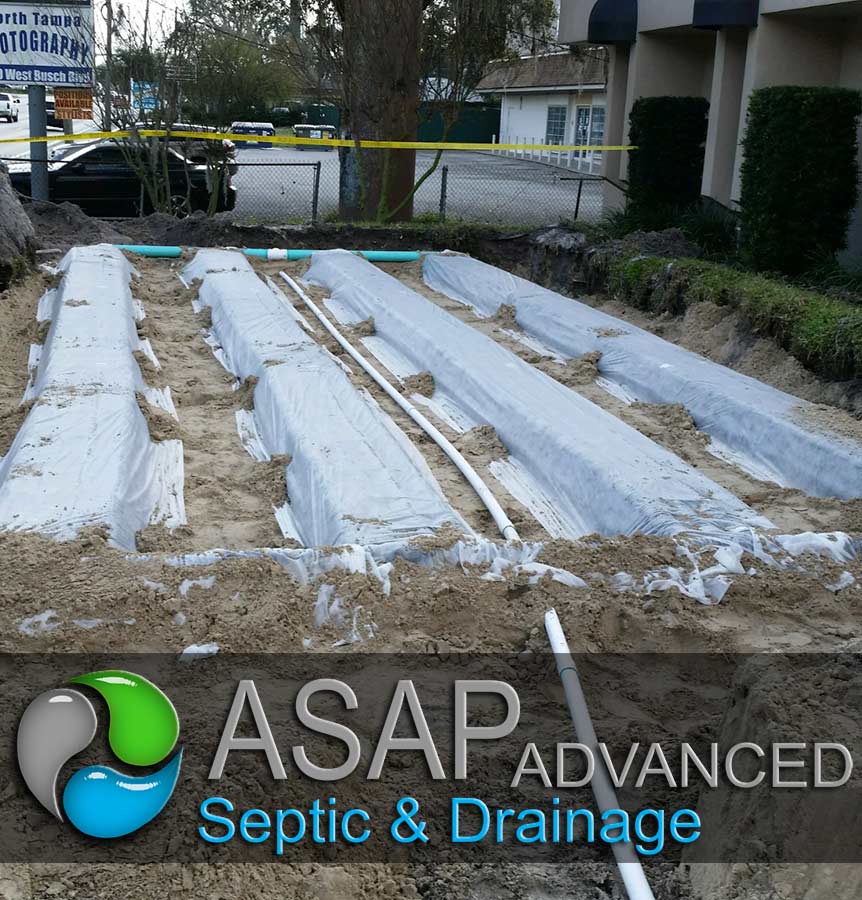
Septic tanks may not be the most pleasurable thing to care for, but it's important that you keep your septic tank clean. If you don't, chances are it will become backed up. This can cause over flow in not only your toilet, but sometimes bathtub. There are special tools and products that can help keep your septic system clean. There are also chemicals that can help the bacteria grow within the tank so your waste dissolves faster. There are many items you should not put down your drain. Water, waste and some bio-degradable items are acceptable. Things such as feminine products, soil, grease and insecticides are just a few of what shouldn't go down the drain. Should any of these items go down into your drain, you risk backing up you septic system. The health department may recommend that your tank be cleaned manually, especially if there are many residents in the household. Cleaning inside the tank allows for the sides and bottom to be scrubbed and washed. A contractor can be hired to do this type of dirty work. However, an individual can do it alone if they wished. Using a high pressured hose, the insides of the tank can be cleaned. This is the best time to check for any cracks or leaks. Caring for a septic tank is not hard, but necessary. There are large fines involved should you not care for your tank properly. Health departments see a damaged septic system as a major health hazard not only to you, but to those in your neighborhood.
Through consistent septic tank pumping, and by following these important tips can help avoid costly backup and also increase the life of your system.
Septic Treatment Products Vs Home Made Septic Cleaners

In order to ensure that your septic tank has no damages, you need to monitor it regularly. It is necessary to get in touch with the health department in your area to know about the regulations in terms of maintaining a septic tank. In case you face some septic tank issues, you have to hire a septic tank repair professional to take care of the operation. Your local health department can surely help you in finding the professional. But to make sure that your tank is working well all the time, here are some precautions that you can consider. Always Maintain Your Septic System There are many things that you can do to maintain your septic tank and you can go online to get some ideas. But one common way is to always be aware of how long you have last pumped your tank. Also, you have to know the last time you had issues with it. A lot of sewer and cleaning services stressed that it is necessary to your tank every three to five years. As a precaution to some tank problems in the future, you should know where your septic system is exactly located. Be Alert in Determining Trouble Signs Whenever you suspect tank leaking, you must contact your local health department immediately so the situation can be dealt with. Leakage signs include grass growth abundance in the drain field and overflow of water around the system. If your home is situated near a river or lake you observe that your friends or family have been experiencing illnesses after they swam into the water source, find a professional to test your water because it may be contaminated already. Be alert with unusual odors which could develop around the place.
- Septic Tank Cleaning Pinellas County
- Sewage Tank Cleaning Company Clearwater
- Septic Tank Installation Oldsmar
- Septic Pumping Service Palm Harbor
- Septic Pumping Service Pinellas Park
- Cleaning Septic Tank Service Safety Harbor
- Drain Field Contractor Seminole
- Cost Of Septic Tank Pumping St Petersburg


