
A septic system consists of a septic tank and drain field, and in some cases a pump tank for those who cannot gravity feed to the drain field like here in many parts of Pinellas County. Septic systems can last for decades, if given the proper maintenance along with some helpful tips and knowledge that all homeowners should know.
Contact Info:
Name: Billy Fowler
Email: [email protected]
Organization: ASAP Advanced Septic & Drainage, Inc.
Address: 5011 E Busch Blvd, Tampa, FL 33617
Phone: (813) 986-6070
How To Repair A Failing Septic System
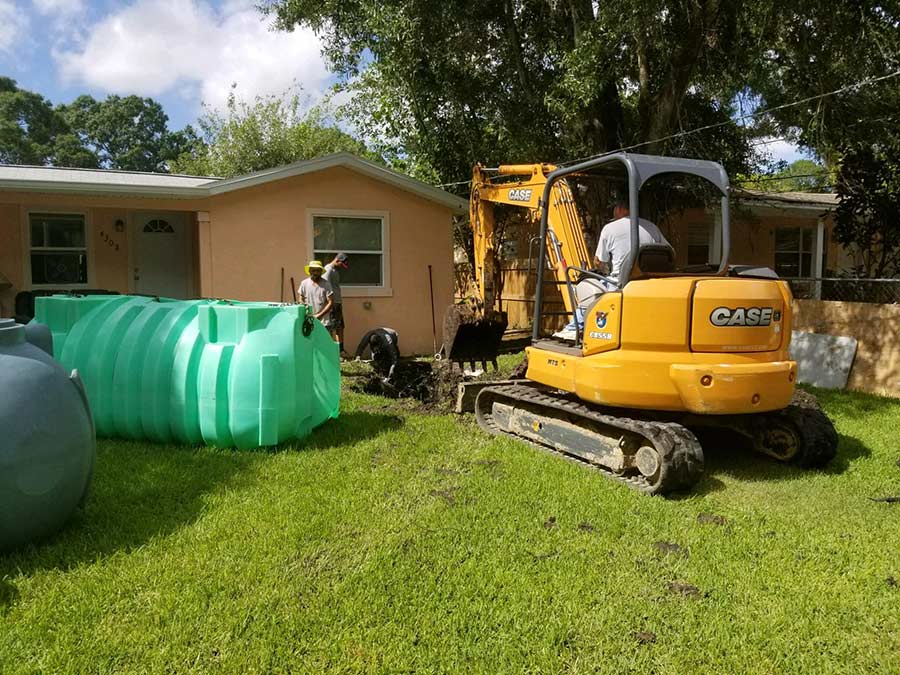
Do you know people who have had to spend thousands of dollars for the repair or replacement of their septic systems? How about the expense of cleaning up or repairing the house and yard from damage caused by septic backup? Septic system backups create unhealthy and very unpleasant smelling conditions on your property, both inside the house as well as outside the house. If you have a septic system on your property, septic tank pumping should be a very high priority and concern. All septic tanks need to be pumped out (emptied) and the system inspected periodically. How often should you have your system pumped and inspected? Most septic service companies in Molalla recommend septic tank pumping is done every 3 to 5 years, depending on several variables. Those variables are septic tank size, number of people in the household and the amount of water going into the system. Having your septic system inspected can save money in costly repairs or replacement. Your local septic service company can inspect the valves, drain field, water inlet and outlets and the general condition of your tank to catch problems before they become a costly repair. Most septic tank pumping and service companies in Molalla will be able to make the repairs or replacements. Your local septic service company can also recommend additives to your tank to help control the sludge and scum that can be part of that expensive septic system failure that you want to avoid.
Typically, a 3 bedroom home with 2250 sq ft of living or less has a 900 gallon septic tank and can be used here in Pinellas County . The septic tank receives all the waste water from a home. This includes showers, toilets, washing machine, dishwasher and sinks. According to the American water works association, the average person uses about 70 gallons per day on average. The family of 4 would add up to 280 gallons a day. So, just imagine how fast your septic tank will fill up, and how much water must flow through the tank to make it out to the drain field.
Septic Tank Maintenance

Septic tank systems become clogged with roots in the leach lines, leach field, drain field or seepage field, causing backup of wastewater into the house. The inexpensive fix is to use copper sulfate through an installed cleanout or septic field pump. Septic tank systems do not last forever and replacing one is a very expensive proposition. If your house is connected to the city sewer system, then you do not have a septic tank. A septic tank can be described as your very own little sewage treatment plant. There are three basic elements of a septic system: Eventually leach fields become clogged because the roots from trees and other vegetation are attracted to the nutrient-rich effluent. The roots grow through the pores intended to drain the liquid, seepage gradually slows or stops. If sufficient pressure cannot be released through the pores of the leach field, the entire septic system cannot accept any more waste water and it backs up in the house, usually at a low point such as a shower or tub drain. If it gets that bad, you may have to replace the entire leach field. In many localities, that will require a building permit and meeting current building codes, which means replacing the entire septic system, which is expensive, etc. Since this is obviously something to avoid, you can often extend the life of the old system by taking action when sewage flow has slowed, but not completely stopped. Copper sulfate kills roots. If it can be placed into the system so that it will flow through the leach field, the roots will die (but not the plants) and waste water will begin to flow more freely again after a few weeks. In many systems, this isn’t as easy as it sounds, because copper sulfate is so heavy that it will settle to the bottom of the septic tank unless inserted into the leach line leading from the tank. If you have a cleanout or other access there, you’re all set, but many residential systems do not. I prefer the crystal form over the powder because it's easier to handle, cheaper and dissolves more slowly, . If necessary, it is not very expensive to have a cleanout installed in the leach line expressly for the purpose of adding copper sulfate periodically. If that still doesn’t quite work, or if you want to be sure the stuff is going to flow more quickly, you can pump it through the leach field. It is possible to install a pump on the leach line cleanout between the septic tank and the leach field. It can be buried below ground level or installed above ground and concealed with landscape bushes. The pump turns on and off automatically to maintain a slight pressure on the waste water, pushing it through the pores of the seepage field. Adding copper sulfate at intervals through a cleanout at this point is effective to drive the chemical towards the offending roots. Killing the roots may extend the life of the septic system a few years, but it will ultimately need to be replaced with a completely modern one—unless you can successfully lobby for a neighborhood hook-up, of course.Septic tank systems
A clogged leach field
Kill roots with copper sulfate
Install a leach line cleanout
Through consistent septic tank pumping, and by following these important tips can help avoid costly backup and also increase the life of your system.
Septic Tank Installation, Repair and Replacement

While having a septic system at home is great, it is also a big responsibility. You need to get your pump cleaned every two or three years depending on various factors. This should be done so that the whole system works smoothly and you won't have to keep repairing or even replacing the tank.Important Factors to ConsiderLifestyle: The two major lifestyle factors that affect the septic system are the age of people living in the house and the amount of water that is used at home. Age is an important factor because houses with young children and growing families often use a lot more water and they don't really watch what is being put down the drains. On the other hand, older people, especially couples living on their own, often do not use as much water. So when there is less water being used at home, less solid mater is put down the drain along with the water.When you get your tank pumped, it is advisable to get it inspected as well. Most companies who offer septic services also have certified inspectors who will let you know if there is any damage to the septic system and if any repairs need to be conducted. If you can put in this little effort and ensure that the whole system is cleaned out and inspected occasionally, your septic tank won't only last you for years but it will also work smoothly and manage wastewater effectively.
- Septic Tank Cleaning Pinellas County
- Sewage Tank Cleaning Company Clearwater
- Septic Tank Installation Oldsmar
- Septic Pumping Service Palm Harbor
- Septic Pumping Service Pinellas Park
- Cleaning Septic Tank Service Safety Harbor
- Drain Field Contractor Seminole
- Cost Of Septic Tank Pumping St Petersburg


