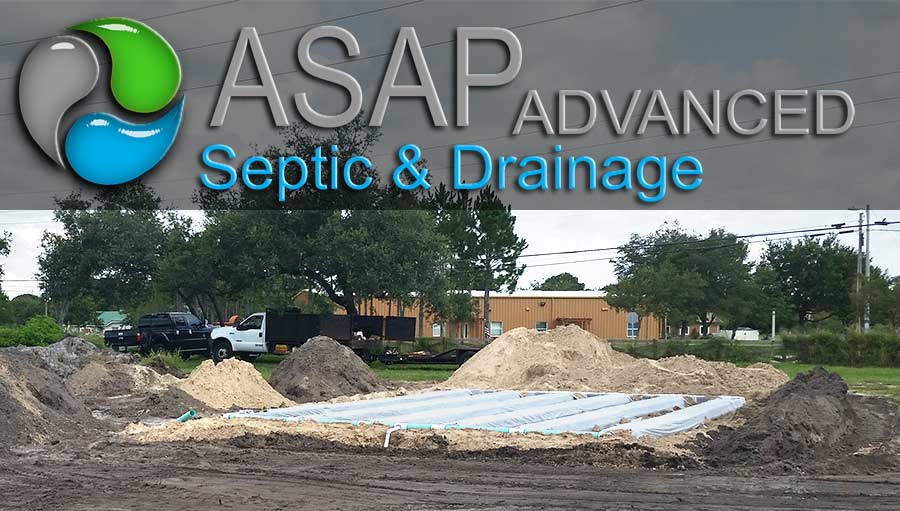
A septic system consists of a septic tank and drain field, and in some cases a pump tank for those who cannot gravity feed to the drain field like here in many parts of Pinellas County. Septic systems can last for decades, if given the proper maintenance along with some helpful tips and knowledge that all homeowners should know.
Contact Info:
Name: Billy Fowler
Email: [email protected]
Organization: ASAP Advanced Septic & Drainage, Inc.
Address: 5011 E Busch Blvd, Tampa, FL 33617
Phone: (813) 986-6070
Important Information About Cleaning a Septic Truck
Maintaining a septic system is not a difficult job. As a matter of fact, it won't cost you a lot to maintain one. If you need some tips to care for your septic system, we suggest that you follow the tips given below.Perform Inspections FrequentlyIdeally, you should inspect your installation once every three years. For this, we suggest that you hire a good professional. Typically, household tanks are pumped once every 3 to 5 years. Moreover, alternative systems that have float switches, mechanical parts or pumps should be checked more frequently. Below are factors that can help you determine how often you should check the system.· The size of your septic tank· Amount of solid in the wastewater· Wastewater generated· Photographic solution· Flushable wipes· Condoms· Diapers· Coffee grounds· Cigarette butts· Paper towelsMaintain The Drain fieldYour drain field is part of your septic system. It removes a large amount of contaminants that get out of your septic tank. Given below are a few things that you can do for its upkeep.· You should never drive or park in the drain field· If you plant trees, plant them away from the drain field.· Keep your sump pumps, roof drains and other drainage systems a bit away from the drain field place.So, if you have been looking for a guide for taking care of your septic system, we suggest that you use the tips given in this article. Hope this helps.
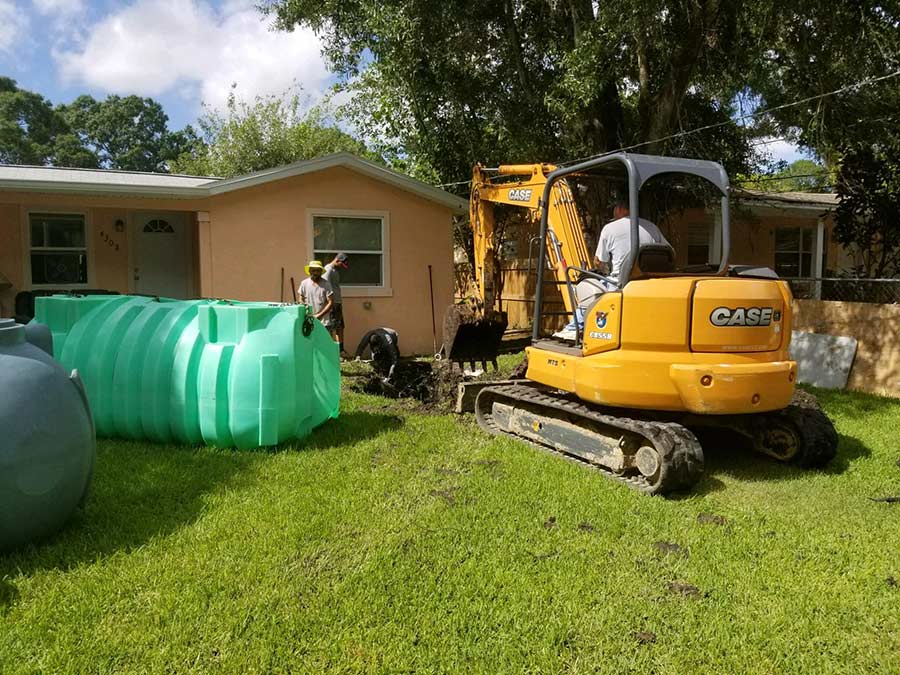
Typically, a 3 bedroom home with 2250 sq ft of living or less has a 900 gallon septic tank and can be used here in Pinellas County . The septic tank receives all the waste water from a home. This includes showers, toilets, washing machine, dishwasher and sinks. According to the American water works association, the average person uses about 70 gallons per day on average. The family of 4 would add up to 280 gallons a day. So, just imagine how fast your septic tank will fill up, and how much water must flow through the tank to make it out to the drain field.
Septic Tank Maintenance - 5 Essential Factors For Proper Septic Systems

For every homeowner, maintaining a septic system that includes the septic tank is a very important task that will ensure the system stays running efficiently for many years. A home's septic tank is dependent on natural bacteria and enzymes to break down and digest waste and keep everything flowing through the system. Without the bacteria additives and enzymes, waste would build up in the tank and eventually create a blockage. The result can be septic system back up in the plumbing system which can spill in the basement and even the drain field. This would result in a very costly repair bill. In order to keep the bacterial from being killed, it is important not to put chemicals in the plumbing system that can kill the bacteria. One item that people use and pour into the plumbing system is vinegar. Many harsh chemical cleaners can harm a septic system and some can kill the bacteria additives and enzymes in the septic tank. Using vinegar is one way to avoid using harsh chemicals and the bacteria will not be killed so you do not have to worry about damaging your septic system. Because vinegar is a pungent acid, you should wear protective gloves, especially if you have any scratches. As well, make sure you do not splash any vinegar in eyes. Most experts recommend using vinegar in septic system maintenance because it will not ruin the septic system.
Through consistent septic tank pumping, and by following these important tips can help avoid costly backup and also increase the life of your system.
Septic Leach Field Lines Clogged by Tree Roots: Cheap Drain Fix

While having a septic system at home is great, it is also a big responsibility. You need to get your pump cleaned every two or three years depending on various factors. This should be done so that the whole system works smoothly and you won't have to keep repairing or even replacing the tank.Important Factors to ConsiderLifestyle: The two major lifestyle factors that affect the septic system are the age of people living in the house and the amount of water that is used at home. Age is an important factor because houses with young children and growing families often use a lot more water and they don't really watch what is being put down the drains. On the other hand, older people, especially couples living on their own, often do not use as much water. So when there is less water being used at home, less solid mater is put down the drain along with the water.When you get your tank pumped, it is advisable to get it inspected as well. Most companies who offer septic services also have certified inspectors who will let you know if there is any damage to the septic system and if any repairs need to be conducted. If you can put in this little effort and ensure that the whole system is cleaned out and inspected occasionally, your septic tank won't only last you for years but it will also work smoothly and manage wastewater effectively.
- Septic Tank Cleaning Pinellas County
- Sewage Tank Cleaning Company Clearwater
- Septic Tank Installation Oldsmar
- Septic Pumping Service Palm Harbor
- Septic Pumping Service Pinellas Park
- Cleaning Septic Tank Service Safety Harbor
- Drain Field Contractor Seminole
- Cost Of Septic Tank Pumping St Petersburg