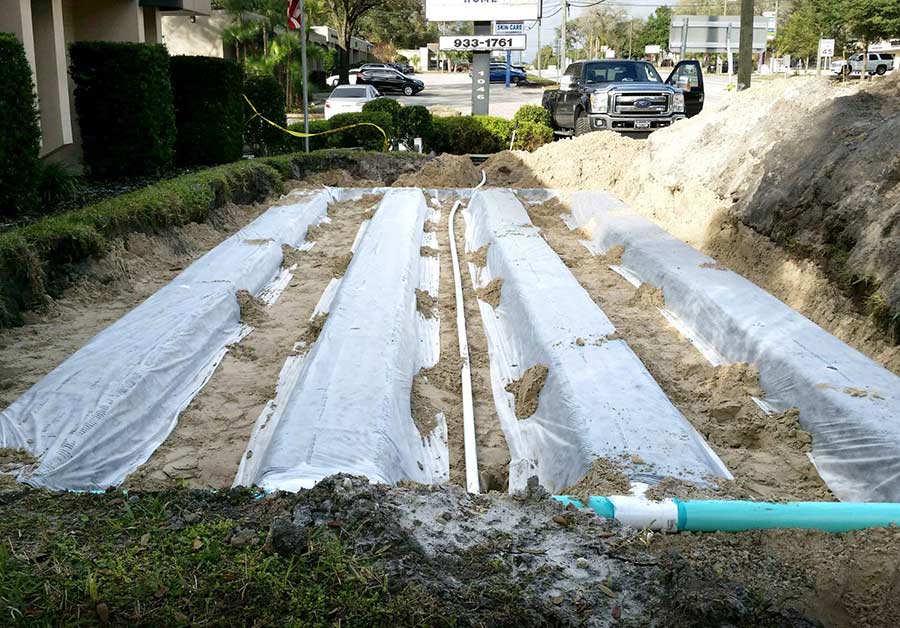
A septic system consists of a septic tank and drain field, and in some cases a pump tank for those who cannot gravity feed to the drain field like here in many parts of Pinellas County. Septic systems can last for decades, if given the proper maintenance along with some helpful tips and knowledge that all homeowners should know.
Contact Info: Name: Billy Fowler Email: [email protected] Organization: ASAP Advanced Septic & Drainage, Inc. Address: 5011 E Busch Blvd, Tampa, FL 33617 Phone: (813) 986-6070
Septic Tank Pumping - You Can Repair Many Septic Tank Problems Yourself And Save A Ton Of Money
There are multiple costs associated with a Septic System. I'll start with an explanation of the costs and give the actual estimates at the bottom:
Explanation of Septic Costs:
Cost to Pump Out the Septic Tank: Homeowners should have a licensed septic contractor pump out their septic tank every 3 to 5 years. If the tank is never pumped, then grease and other particles will flow into the leach field and clog the distribution pipes and the surrounding soil. Once that happens, he will need to have a new leach field installed at a cost of $10,000+.
Listing of Estimated Septic Costs:
Cost to Pump Out the Septic Tank: $150 to $250
Cost of Septic System Testing with Dye: $75 to $125
Cost to Remove Clog in Pipes to Tank: $50 to $250 (or more, if it's serious)
Cost of Complete Visual Inspection: $300 to $600
Typically, a 3 bedroom home with 2250 sq ft of living or less has a 900 gallon septic tank and can be used here in Pinellas County . The septic tank receives all the waste water from a home. This includes showers, toilets, washing machine, dishwasher and sinks. According to the American water works association, the average person uses about 70 gallons per day on average. The family of 4 would add up to 280 gallons a day. So, just imagine how fast your septic tank will fill up, and how much water must flow through the tank to make it out to the drain field.
What Are Septic Tanks and How Do They Work?
There are multiple costs associated with a Septic System. I'll start with an explanation of the costs and give the actual estimates at the bottom:
Explanation of Septic Costs:
Cost to Pump Out the Septic Tank: Homeowners should have a licensed septic contractor pump out their septic tank every 3 to 5 years. If the tank is never pumped, then grease and other particles will flow into the leach field and clog the distribution pipes and the surrounding soil. Once that happens, he will need to have a new leach field installed at a cost of $10,000+.
Listing of Estimated Septic Costs:
Cost to Pump Out the Septic Tank: $150 to $250
Cost of Septic System Testing with Dye: $75 to $125
Cost to Remove Clog in Pipes to Tank: $50 to $250 (or more, if it's serious)
Cost of Complete Visual Inspection: $300 to $600
Through consistent septic tank pumping, and by following these important tips can help avoid costly backup and also increase the life of your system.
How To Repair A Failing Septic System
Septic systems fulfill a crucial function for many homes and businesses, especially in rural areas, though many people are clueless as to how they work. While septic tanks are usually low-maintenance systems, they can become extremely tricky and expensive if something goes wrong. A basic knowledge is important to anyone wishing to avoid future problems with their septic tanks.
What is a septic system?
Septic systems are small-scale sewage treatment systems that are used in areas not connected to a sewage system operated by the government or a private company. They are often used by homes and farms in rural areas where it is too costly to connect to faraway sewage mains. Septic systems work by pumping wastewater from bathrooms, kitchens and laundry facilities into effluent tanks, which process the waste and then disperse it onto a septic drain field.
What is a septic tank?
What happens to waste that doesn't decompose?
Some of the contents of the effluent tank will not decompose; therefore it is important to empty the tank occasionally. If tanks are not pumped the septic tank can fill with undecomposed substances that will be pumped into the drainage field. This can result in environmental problems as well as expensive repairs. How often the tank needs to be pumped clean varies depending on its size, the number of people using it and the outside temperature. Because there are so many variables, there is no rule of thumb for how often the tanks should be pumped: some need it every few years while other can go between 10 and 20 years without pumping. Have a professional inspect your tank to let you know when it needs to be pumped.
Septic tanks are a great solution for remote or urban property owners who either cannot or do not want to be part of a municipal sewage system. A septic system is connected directly to the pipes of the residence or business and serves as an immediate filter and containment unit for water-bound domestic waste. There are certain risks related to the installation and maintenance of a septic tank; such risks have resulted in rules that need to be followed to protect the environment and property especially with the regular removal of the contents of the tank by a vacuum truck.
Frequency
Depending on the size of the unit and the household, a tank must be emptied every three to five years. This is necessary not only because of space limitations but also because the tank needs to be inspected with some regularity to check for cracks, leaks and blockages. Other reasons are as follows:
Emergencies – Pumping can also become necessary in cases of emergency. Sewage backup and drain clogging may occur due to blockages which need to be cleared immediately to keep the problem from escalating. Flooding can cause similar problems.
Precautionary Measure – Emptying the primary container can also be a precautionary measure when there are many household members; parties with many guests; or other circumstances where many people would be using the toilets.
Odors – Sometimes tanks are suctioned due to permeating sewer odors escaping from the system as that could be a symptom of leaking gas needing to be repaired separately. Evidence of septic failure must be attended to immediately by a professional repair company.
Selling Property – It is also customary to pump out the septic system before selling property.
Septic tanks serve a very useful purpose for many households. As long as properly maintained by regular pumping, cleaning and inspections, they should correctly function under all conditions and for a long service life. Hopefully this information will be helpful in knowing how a septic tank is cleaned!
Follow these safety tips given below when inspecting your septic system:
1. Septic tank lid
Make sure that the access port of your tank is covered with a solid lid. Make sure that the lid is strong enough. Kids should not be able to open it. If you have no idea as to how to install the system, you can call a professional for help. The company will be more than happy to help with the inspection.
2. The tank opening
You should never lean over the septic tank opening. The reason is that the gasses that come out of the tank may knock you out. You may also fall in the tank, which may prove fatal.
3. Driving Over The septic system
Driving heavy machine on the ground where the tank system is buried is not a good idea. Actually, you may have to bear heavy costs in order to get the broken pipes repaired. So, make sure you don’t drive heavy equipment or machinery on the ground where you buried the tank system.
Contact Info: Name: Billy Fowler Email: [email protected] Organization: ASAP Advanced Septic & Drainage, Inc. Address: 5011 E Busch Blvd, Tampa, FL 33617 Phone: (813) 986-6070
Septic Pumping - Do You Want to Save Money?
In order to ensure that your septic tank has no damages, you need to monitor it regularly. It is necessary to get in touch with the health department in your area to know about the regulations in terms of maintaining a septic tank. In case you face some septic tank issues, you have to hire a septic tank repair professional to take care of the operation. Your local health department can surely help you in finding the professional. But to make sure that your tank is working well all the time, here are some precautions that you can consider.
Always Maintain Your Septic System
There are many things that you can do to maintain your septic tank and you can go online to get some ideas. But one common way is to always be aware of how long you have last pumped your tank. Also, you have to know the last time you had issues with it. A lot of sewer and cleaning services stressed that it is necessary to your tank every three to five years. As a precaution to some tank problems in the future, you should know where your septic system is exactly located.
Be Alert in Determining Trouble Signs
Whenever you suspect tank leaking, you must contact your local health department immediately so the situation can be dealt with. Leakage signs include grass growth abundance in the drain field and overflow of water around the system. If your home is situated near a river or lake you observe that your friends or family have been experiencing illnesses after they swam into the water source, find a professional to test your water because it may be contaminated already. Be alert with unusual odors which could develop around the place.
Clean Your Septic Tank Before the Party!
Septic systems fulfill a crucial function for many homes and businesses, especially in rural areas, though many people are clueless as to how they work. While septic tanks are usually low-maintenance systems, they can become extremely tricky and expensive if something goes wrong. A basic knowledge is important to anyone wishing to avoid future problems with their septic tanks.
What is a septic system?
Septic systems are small-scale sewage treatment systems that are used in areas not connected to a sewage system operated by the government or a private company. They are often used by homes and farms in rural areas where it is too costly to connect to faraway sewage mains. Septic systems work by pumping wastewater from bathrooms, kitchens and laundry facilities into effluent tanks, which process the waste and then disperse it onto a septic drain field.
What is a septic tank?
What happens to waste that doesn't decompose?
Some of the contents of the effluent tank will not decompose; therefore it is important to empty the tank occasionally. If tanks are not pumped the septic tank can fill with undecomposed substances that will be pumped into the drainage field. This can result in environmental problems as well as expensive repairs. How often the tank needs to be pumped clean varies depending on its size, the number of people using it and the outside temperature. Because there are so many variables, there is no rule of thumb for how often the tanks should be pumped: some need it every few years while other can go between 10 and 20 years without pumping. Have a professional inspect your tank to let you know when it needs to be pumped.
How Is a Septic Tank Cleaned?
You know that keeping your septic system running clean is of the utmost importance. If you do not then you could have a very large, very expensive mess on your hands. The good news is that with a few tips, it becomes much easier.
Be Careful What You Flush
Not everything is meant to be flushed down the toilet. Tampons, paper towels, facial tissues, disposable diapers, and other such products are detrimental to the functioning of your septic system. They can clog up the whole process very quickly leaving you with a mess.
Be Careful With Cleaners
Heavy duty chemical cleaners can affect your whole septic system. They can actually kill off the bacteria in your tank which means that it will take longer for solids to be broken down, and there will be a greater chance of waste backing up.
Keeping your septic system running clean is not a glamorous topic, but it is one that will be a whole lot less glamorous if you do not do it. Waste backing up into your home and onto your property is a clear incentive to follow these tips to a clean running septic system. Follow these tips and enjoy the benefit of everything working as it should.
4 Safety Precautions for Your Septic Tank at Home
What is a lint trap?
Lint traps are mesh screens that are designed to go over the discharge hose of a washing machine that empties into a sink, and are also known as lint snares or lint filters. They can be made of aluminum, stainless steel or nylon. They are used to capture any lint that is discharged from the water to keep it from going down the sink. Lint traps are more important today since washing machines no longer come with a built in lint filter, as a result, more lint gets washed down the drain, and stays on the clothes.
If you are anything at all like me, you realize the effect that lint from your laundry has on your pipes, sink and septic system. This lint that is discharged with the water, clogs your pipes and can harm the flow of your septic system. It took a while before I realized that there were pre made solutions out there that were easy to use and inexpensive to buy. To me time is money and searching for a old nylon stocking and finding something to attach it with onto the hose so that it wouldn’t come off when the water was coming out of the hose, was more of a pain and more expensive time-wise for me.
If I have to spend more than 15 minutes to create something, then it’s worth the $5 to just buy the solution. To create my own solution meant that I would have to find a nylon that was long enough and still had enough integrity to it to effectively filter out the lint. I would then have to find a rubber band that would twist tight enough to hold the nylon in place for until it was time to replace it. This solution worked in being able to reduce the lint, however the solution was always haphazard and took way to much time for me to spend to get it to work. Luckily I found these lint traps that are especially made for washing machine drain hoses to specifically filter the lint from the drain water. The particular snares I found are made of stainless steel and come with an attachment tie that holds the filter to the hose tight enough to keep it secure when the water discharges from the laundry machine. The great thing is that there is no additional equipment needed to attach them to the washing machine output hose. That means I don’t have to spend time searching the house for something to attach it with. Remember for me, time is money. Once the lint traps get full of lint, the best practice is to replace them when they are about 1/2 full, although I have seen them 90% full before they were changed.
5 packs of lint traps on Amazon are available for purchase or you can just search for washing machine hose lint filters on Amazon and see what comes up.
Some problems that Lint Snares keep us from having to experience:
- clogged sink drains that are caked with lint from the discharge water during the laundry machine spin cycle
- your sink filling up with water during the water discharge because the drainage screens get filled with lint over time and begin to block the water from draining out of the sink.
- globs of lint getting stuck to the side of the sink to have to be washed out time and time again… more maintenance!
Unfortunately these lint traps don't solve the problem of more lint on our clothes now after the wash cycle..... That is another problem for another solution to handle.
Washing Machine Lint Traps Facts
- Usually made in China but some are made in the USA too. - comes in a range from a pack of 2 to a pack of 50 lint traps and ties. - simple to install - includes ties to attach lint filters to the output hose and no additional tools are needed. - large enough to fit almost all washer hose sizes. - they can be made from stainless steel, aluminum or nylon - they should be replaced when they are half full.
What are some benefits of Washing Machine Lint Traps?
1. Lint Traps Help to Protect Your Septic Sewage System
Households that utilize septic systems have to especially be aware of what goes down their drains and their toilets. With many homes, their drain water flows into the septic drain field, therefore it must remain clear of debris so water can pass freely through the drainage field. Most lint from the washing machine is made of non biodegradable particles and if these particles eventually build up in the lint field, then they will eventually create enough of a blockage to reduce the efficiency of the drain field, thus causing the septic system to fail over time because the water can no long pass through it easily. Filtering out the lint from the water will go a long way over time to keep the drainage field free of non biodegradable particles, so therefore, using lint snares will keep the health of your septic system in tact.
2. Washing Machine Lint Filters Protect the Household Plumbing
I have read many stories about homeowners having to deal with clogged pipes and needing to call the plumber out to clean the out. One particular story I read was the plumber showed the homeowner some of what was stuck in the pipe and there was a lot of lint fiber that was mixed with food particles and grease stuck to the pipe. That combination of substances cause a hard layer of coating that caked on the pipes over time. This particular plumber shared with the homeowner one thing that would keep that from occurring again. The plumber told the homeowner about lint traps and how that would keep the lint out of the drainage water. The homeowner had never heard of them before so they were quite grateful and began using them right away. They have since been rewarded with trouble free plumbing. It’s great when a plumber is willing to empower their customers enough to talk them out of future work!
When lint builds up from washing machine waste water, it can create problems for homeowners. The two mentioned above and in addition, lint build up from sinks can occur as well. That is one more thing that needs to be taken care of in regards to home maintenance that these filters can help you with. The good thing is that these solutions are very inexpensive and are very simple to install. They can be found at the hardware store, or on online places like Amazon and other retailer websites.
So, these are a few precautions that you may want to take if you are going to work on a septic tank system. This is important should you want to keep you and your family safe around the system. When in doubt, it’s a good idea to call a local septic service in Pinellas County. Hopefully, these tips will help.
Do you know people who have had to spend thousands of dollars for the repair or replacement of their septic systems? How about the expense of cleaning up or repairing the house and yard from damage caused by septic backup? Septic system backups create unhealthy and very unpleasant smelling conditions on your property, both inside the house as well as outside the house. If you have a septic system on your property, septic tank pumping should be a very high priority and concern.
All septic tanks need to be pumped out (emptied) and the system inspected periodically. How often should you have your system pumped and inspected? Most septic service companies in Molalla recommend septic tank pumping is done every 3 to 5 years, depending on several variables. Those variables are septic tank size, number of people in the household and the amount of water going into the system.
Having your septic system inspected can save money in costly repairs or replacement. Your local septic service company can inspect the valves, drain field, water inlet and outlets and the general condition of your tank to catch problems before they become a costly repair. Most septic tank pumping and service companies in Molalla will be able to make the repairs or replacements. Your local septic service company can also recommend additives to your tank to help control the sludge and scum that can be part of that expensive septic system failure that you want to avoid.