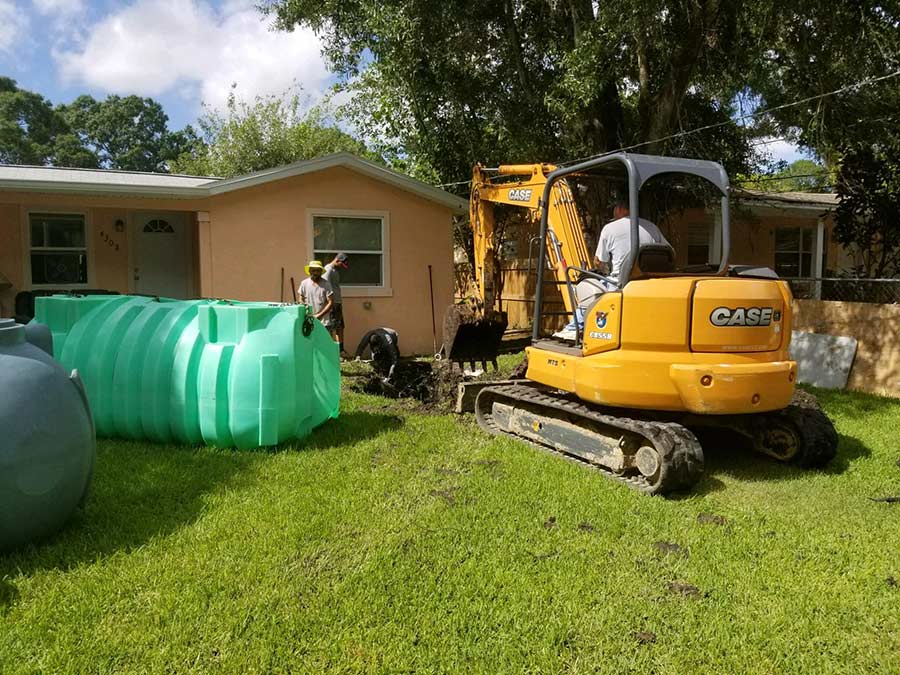
A septic system consists of a septic tank and drain field, and in some cases a pump tank for those who cannot gravity feed to the drain field like here in many parts of Pinellas County. Septic systems can last for decades, if given the proper maintenance along with some helpful tips and knowledge that all homeowners should know.
Contact Info: Name: Billy Fowler Email: [email protected] Organization: ASAP Advanced Septic & Drainage, Inc. Address: 5011 E Busch Blvd, Tampa, FL 33617 Phone: (813) 986-6070
Septic Treatment Products Vs Home Made Septic Cleaners
Septic systems fulfill a crucial function for many homes and businesses, especially in rural areas, though many people are clueless as to how they work. While septic tanks are usually low-maintenance systems, they can become extremely tricky and expensive if something goes wrong. A basic knowledge is important to anyone wishing to avoid future problems with their septic tanks.
What is a septic system?
Septic systems are small-scale sewage treatment systems that are used in areas not connected to a sewage system operated by the government or a private company. They are often used by homes and farms in rural areas where it is too costly to connect to faraway sewage mains. Septic systems work by pumping wastewater from bathrooms, kitchens and laundry facilities into effluent tanks, which process the waste and then disperse it onto a septic drain field.
What is a septic tank?
What happens to waste that doesn't decompose?
Some of the contents of the effluent tank will not decompose; therefore it is important to empty the tank occasionally. If tanks are not pumped the septic tank can fill with undecomposed substances that will be pumped into the drainage field. This can result in environmental problems as well as expensive repairs. How often the tank needs to be pumped clean varies depending on its size, the number of people using it and the outside temperature. Because there are so many variables, there is no rule of thumb for how often the tanks should be pumped: some need it every few years while other can go between 10 and 20 years without pumping. Have a professional inspect your tank to let you know when it needs to be pumped.
Typically, a 3 bedroom home with 2250 sq ft of living or less has a 900 gallon septic tank and can be used here in Pinellas County . The septic tank receives all the waste water from a home. This includes showers, toilets, washing machine, dishwasher and sinks. According to the American water works association, the average person uses about 70 gallons per day on average. The family of 4 would add up to 280 gallons a day. So, just imagine how fast your septic tank will fill up, and how much water must flow through the tank to make it out to the drain field.
Important Information About Cleaning a Septic Truck
Septic system problems can occur and worsen extremely quickly. Learn how to identify issues with septic drain fields so that you can minimize damage and get the necessary repairs as soon as possible.
When you live in an area that is not connected to a municipal sewer system, your septic tank and system are an essential part of your day-to-day life. As such, it's vital to keep them in good working order and to deal with any issues that come up as soon as possible. Septic system drain fields, in particular, often experience issues. Find out what problems to keep an eye out for, and how your local septic repair and service firm can resolve them so that your septic system stays in top shape.
Drain fields are the part of your septic system where organic liquid waste drains out of the septic tank and is treated. After solid waste settles to the bottom of the septic tank, the remaining wastewater passes into perforated pipes. These pipes are covered by a layer of soil and disperse the wastewater over a large area. The wastewater then travels through a layer of gravel, then through a layer of soil. Here, bacteria in the soil filter the wastewater so that it is neutral before it reaches a groundwater level.
Your drain field is the unseen hero of your septic system. From root removal to tank clean out, make sure you take care of it so that it will stay healthy and intact for years to come.
Through consistent septic tank pumping, and by following these important tips can help avoid costly backup and also increase the life of your system.
Septic Leach Field Lines Clogged by Tree Roots: Cheap Drain Fix
Septic tanks usually handle waste liquid and scum daily. If a tank is filled to capacity, scum and effluent have no place to go but to back up to into toilets, sinks, and drains. To prevent this embarrassing and disgusting scenario from happening, septic tanks must be cleaned out at regularly scheduled intervals. This process is not something that can be done alone but needs a specialized device to safely remove the sludge, scum and effluent from the tank and carried to a disposal site. An additional thought is that it is a wise idea to clean a septic tank prior to a big gathering or party to avoid the overloading of sewage water into the septic system that can occur during periods of large usage.ReasonsIt is an unfortunate occurrence for a system to back up during large gatherings such as Christmas, Thanksgiving, weddings, summer barbecues or other such parties. The reason this occurs is that the tank is having trouble due to over usage, a problem that does not usually happen during normal use. The increased waste water entering the tank can't freely flow into the drain field. This can cause a blockage in the sewer line which in turn can result in the effluent backing up into the house. Oftentimes, it is not the large amount of waste water but something foreign that has been flushed down the drain that causes the obstruction. Although this could possible be handled by using a plunger to remove the clog, frequently the main problem is in the septic system itself.Using vacuum trucks, elimination of septic waste is very simple, although this should always be accomplished by a professional that is equipped to handle the job. Vacuum trucks are used to remove the effluent, scum and sludge at scheduled intervals as well as prior to big parties. It is indeed a good idea to pump the tank before a party to avoid clogging the sewer line caused by over usage; however, the best practice is to establish and maintain a regular pumping schedule to extend the life of the system. So have that party and have no sewage system problems to ruin the event!
Septic tanks are a great solution for remote or urban property owners who either cannot or do not want to be part of a municipal sewage system. A septic system is connected directly to the pipes of the residence or business and serves as an immediate filter and containment unit for water-bound domestic waste. There are certain risks related to the installation and maintenance of a septic tank; such risks have resulted in rules that need to be followed to protect the environment and property especially with the regular removal of the contents of the tank by a vacuum truck.
Frequency
Depending on the size of the unit and the household, a tank must be emptied every three to five years. This is necessary not only because of space limitations but also because the tank needs to be inspected with some regularity to check for cracks, leaks and blockages. Other reasons are as follows:
Emergencies – Pumping can also become necessary in cases of emergency. Sewage backup and drain clogging may occur due to blockages which need to be cleared immediately to keep the problem from escalating. Flooding can cause similar problems.
Precautionary Measure – Emptying the primary container can also be a precautionary measure when there are many household members; parties with many guests; or other circumstances where many people would be using the toilets.
Odors – Sometimes tanks are suctioned due to permeating sewer odors escaping from the system as that could be a symptom of leaking gas needing to be repaired separately. Evidence of septic failure must be attended to immediately by a professional repair company.
Selling Property – It is also customary to pump out the septic system before selling property.
Septic tanks serve a very useful purpose for many households. As long as properly maintained by regular pumping, cleaning and inspections, they should correctly function under all conditions and for a long service life. Hopefully this information will be helpful in knowing how a septic tank is cleaned!
Follow these safety tips given below when inspecting your septic system:
1. Septic tank lid
Make sure that the access port of your tank is covered with a solid lid. Make sure that the lid is strong enough. Kids should not be able to open it. If you have no idea as to how to install the system, you can call a professional for help. The company will be more than happy to help with the inspection.
2. The tank opening
You should never lean over the septic tank opening. The reason is that the gasses that come out of the tank may knock you out. You may also fall in the tank, which may prove fatal.
3. Driving Over The septic system
Driving heavy machine on the ground where the tank system is buried is not a good idea. Actually, you may have to bear heavy costs in order to get the broken pipes repaired. So, make sure you don’t drive heavy equipment or machinery on the ground where you buried the tank system.
Contact Info: Name: Billy Fowler Email: [email protected] Organization: ASAP Advanced Septic & Drainage, Inc. Address: 5011 E Busch Blvd, Tampa, FL 33617 Phone: (813) 986-6070
How To Repair A Failing Septic System
While having a septic system at home is great, it is also a big responsibility. You need to get your pump cleaned every two or three years depending on various factors. This should be done so that the whole system works smoothly and you won't have to keep repairing or even replacing the tank.Important Factors to ConsiderLifestyle: The two major lifestyle factors that affect the septic system are the age of people living in the house and the amount of water that is used at home. Age is an important factor because houses with young children and growing families often use a lot more water and they don't really watch what is being put down the drains. On the other hand, older people, especially couples living on their own, often do not use as much water. So when there is less water being used at home, less solid mater is put down the drain along with the water.When you get your tank pumped, it is advisable to get it inspected as well. Most companies who offer septic services also have certified inspectors who will let you know if there is any damage to the septic system and if any repairs need to be conducted. If you can put in this little effort and ensure that the whole system is cleaned out and inspected occasionally, your septic tank won't only last you for years but it will also work smoothly and manage wastewater effectively.
How Is a Septic Tank Cleaned?
Maintaining a septic system is not a difficult job. As a matter of fact, it won't cost you a lot to maintain one. If you need some tips to care for your septic system, we suggest that you follow the tips given below.Perform Inspections FrequentlyIdeally, you should inspect your installation once every three years. For this, we suggest that you hire a good professional. Typically, household tanks are pumped once every 3 to 5 years. Moreover, alternative systems that have float switches, mechanical parts or pumps should be checked more frequently. Below are factors that can help you determine how often you should check the system.· The size of your septic tank· Amount of solid in the wastewater· Wastewater generated· Photographic solution· Flushable wipes· Condoms· Diapers· Coffee grounds· Cigarette butts· Paper towelsMaintain The Drain fieldYour drain field is part of your septic system. It removes a large amount of contaminants that get out of your septic tank. Given below are a few things that you can do for its upkeep.· You should never drive or park in the drain field· If you plant trees, plant them away from the drain field.· Keep your sump pumps, roof drains and other drainage systems a bit away from the drain field place.So, if you have been looking for a guide for taking care of your septic system, we suggest that you use the tips given in this article. Hope this helps.
Is Vinegar Safe for Septic Tanks?
Correct installation, overall system design and ongoing maintenance performed in your septic system will greatly extend the life and functionality of your homes onsite wastewater treatment center. Following theses prudent guidelines will soon be your first type of defense against overall system failure, odors, wet spots, gurgling sounds and early component breakage. Regular and frequent maintenance may help reduce the danger of well water contamination and can save you countless amounts of dollars in potential repair costs.
In most septic systems, wastewater from toilets, sinks, tubs, showers, floor drains and basins flows through a maze of piping out to your tank or pit. The tank is generally constructed of cement or plastic in newer systems with either perforations within the tank itself or in lateral or field lines on the outflow side of the septic. As solids enter the system, they settle to the underside of the septic while bacteria and enzymes decompose the material into water and gases. Fats, oils and grease float to the the surface of the tank and form a scum layer which generally reduces more slowly. Restrictors or baffles prevent the scum layer from leaving the tank and clogging the drainage areas. The tank or pit will normally have access ports consisting of covers or cleanse lines.
Septic system pumpers remove undigested solids through these access lines and may do a visual inspection through larger openings as part of a regular maintenance. There are numerous septic system designs ranging from single unit perforated tanks to multi compartment pre treatment reservoirs. Every one of the systems generally depend on bacteria and enzymes to break up waste right into a more manageable byproduct that the drainage area can quicker dispense of. With simple, bacteria rich waste entering the machine, most skeptics’provide several years of service and remain trouble free provided routine maintenance is adhered to. This optimal functionality might be idea but is often not the case in a real life environment. Most household cleaners comprising of laundry detergents, bleach, bath cleaners, kitchen cleaners, anti bacterial soaps and other common cleaners contain ingredients which can be for the most part detrimental to the healthy bacteria life within the system itself.
Newer, more bacteria friendly goods are arriving on shelves regularly but are sometimes difficult to find or simply don’t perform as efficiently as their more harmful counterparts. Though some systems allow this tainted or grey water to flow right into a separate leaching area, many systems were created to be able to allow these harsh chemicals to enter directly into the septic system, killing off massive levels of bacteria across the way. If you’re like many individuals, diverting your laundry and other grey water flow can pose a problem and is influenced by whether or not you have an appropriate location to do this and this rerouting is allowed by the local municipality. If you are in a position to reroute your grey water, typically a French drain or drywell system is employed to deal with the waste.
For the rest folks, working to boost the bacteria and enzyme counts within your system is the suitable approach to make certain system longevity and functionality. Cutting back on the utilization of, or trading out, harsh chemical cleaners may be the first faltering step to helping healthy bacteria flourish. Major retailers are now actually beginning to hold suitable lines of products that will effectively perform their function without killing off as much bacteria as their standard counterparts.
Adding concentrated bacteria to your system is the premier method of assuring that bacteria colonies ado not be reduced to a non-performing state. Luckily, bacteria additives made for septic tank maintenance and complete restoration from failure are readily available. Bacteria, added straight to the machine in a stabilized form, can offset the destructive power of most chemicals and keep your bacteria life healthy and easily available to digest the waste within your system.
Choosing bacteria that is chemical resistant and include a very good colony count is of the utmost importance since many over-the-counter products contain minimal amounts in comparison to commercial brands.
If you have a septic system and wish to assure that the whole system will perform at maximum capacity for the longest period of time possible, consider greening up your chemical use and utilize a regular septic tank maintenance product designed to increase your colony counts. Both of these methods are the most important factors in maintaining any septic tank or pit type system.
Click here : www.asapadvancedseptic.com
Aerobic treatment system
For those people who work with septic trucks and are involved in their day-to-day operation, it is important to know and understand that this piece of equipment should be regularly maintained to accomplish its tasks easily and efficiently.
Although this scenario is rare or seems as if it impossible to happen, it is possible for a septic truck to stop working in the middle of a job. This can happen if the equipment is not properly maintained on a regular basis. Following are some guidelines to keep the entire vehicle as well as the system itself in excellent operating condition.
Septic Tank Cleaning and Maintenance
It is approximated that about 25 percent of all households in the United States use septic tank systems. Each system must be regularly maintained to prevent sludge and scum from building up and preventing the whole setup from proper functioning. This means that the septic truck is a piece of equipment that is regularly used to perform routine septic system maintenance.
By following and performing these simple tips in maintaining a septic truck, there will be a great impact on the value and profitability of the business investment in this heavy-duty vehicle. Happy cleaning!
So, these are a few precautions that you may want to take if you are going to work on a septic tank system. This is important should you want to keep you and your family safe around the system. When in doubt, it’s a good idea to call a local septic service in Pinellas County. Hopefully, these tips will help.
Septic tanks usually handle waste liquid and scum daily. If a tank is filled to capacity, scum and effluent have no place to go but to back up to into toilets, sinks, and drains. To prevent this embarrassing and disgusting scenario from happening, septic tanks must be cleaned out at regularly scheduled intervals. This process is not something that can be done alone but needs a specialized device to safely remove the sludge, scum and effluent from the tank and carried to a disposal site. An additional thought is that it is a wise idea to clean a septic tank prior to a big gathering or party to avoid the overloading of sewage water into the septic system that can occur during periods of large usage.
Reasons
It is an unfortunate occurrence for a system to back up during large gatherings such as Christmas, Thanksgiving, weddings, summer barbecues or other such parties. The reason this occurs is that the tank is having trouble due to over usage, a problem that does not usually happen during normal use. The increased waste water entering the tank can't freely flow into the drain field. This can cause a blockage in the sewer line which in turn can result in the effluent backing up into the house. Oftentimes, it is not the large amount of waste water but something foreign that has been flushed down the drain that causes the obstruction. Although this could possible be handled by using a plunger to remove the clog, frequently the main problem is in the septic system itself.
Using vacuum trucks, elimination of septic waste is very simple, although this should always be accomplished by a professional that is equipped to handle the job. Vacuum trucks are used to remove the effluent, scum and sludge at scheduled intervals as well as prior to big parties. It is indeed a good idea to pump the tank before a party to avoid clogging the sewer line caused by over usage; however, the best practice is to establish and maintain a regular pumping schedule to extend the life of the system. So have that party and have no sewage system problems to ruin the event!