
A septic system consists of a septic tank and drain field, and in some cases a pump tank for those who cannot gravity feed to the drain field like here in many parts of Polk County. Septic systems can last for decades, if given the proper maintenance along with some helpful tips and knowledge that all homeowners should know.
Contact Info:
Name: Billy Fowler
Email: [email protected]
Organization: ASAP Advanced Septic & Drainage, Inc.
Address: 5011 E Busch Blvd, Tampa, FL 33617
Phone: (813) 986-6070
Septic Tank Maintenance - 5 Essential Factors For Proper Septic Systems

There are multiple costs associated with a Septic System. I'll start with an explanation of the costs and give the actual estimates at the bottom: Explanation of Septic Costs: Cost to Pump Out the Septic Tank: Homeowners should have a licensed septic contractor pump out their septic tank every 3 to 5 years. If the tank is never pumped, then grease and other particles will flow into the leach field and clog the distribution pipes and the surrounding soil. Once that happens, he will need to have a new leach field installed at a cost of $10,000+. Listing of Estimated Septic Costs: Cost to Pump Out the Septic Tank: $150 to $250 Cost of Septic System Testing with Dye: $75 to $125 Cost to Remove Clog in Pipes to Tank: $50 to $250 (or more, if it's serious) Cost of Complete Visual Inspection: $300 to $600
Typically, a 3 bedroom home with 2250 sq ft of living or less has a 900 gallon septic tank and can be used here in Polk County . The septic tank receives all the waste water from a home. This includes showers, toilets, washing machine, dishwasher and sinks. According to the American water works association, the average person uses about 70 gallons per day on average. The family of 4 would add up to 280 gallons a day. So, just imagine how fast your septic tank will fill up, and how much water must flow through the tank to make it out to the drain field.
Septic Drain Field Problems and Repair: What to Look for and How to Get the Help You Need

Septic tanks usually handle waste liquid and scum daily. If a tank is filled to capacity, scum and effluent have no place to go but to back up to into toilets, sinks, and drains. To prevent this embarrassing and disgusting scenario from happening, septic tanks must be cleaned out at regularly scheduled intervals. This process is not something that can be done alone but needs a specialized device to safely remove the sludge, scum and effluent from the tank and carried to a disposal site. An additional thought is that it is a wise idea to clean a septic tank prior to a big gathering or party to avoid the overloading of sewage water into the septic system that can occur during periods of large usage.ReasonsIt is an unfortunate occurrence for a system to back up during large gatherings such as Christmas, Thanksgiving, weddings, summer barbecues or other such parties. The reason this occurs is that the tank is having trouble due to over usage, a problem that does not usually happen during normal use. The increased waste water entering the tank can't freely flow into the drain field. This can cause a blockage in the sewer line which in turn can result in the effluent backing up into the house. Oftentimes, it is not the large amount of waste water but something foreign that has been flushed down the drain that causes the obstruction. Although this could possible be handled by using a plunger to remove the clog, frequently the main problem is in the septic system itself.Using vacuum trucks, elimination of septic waste is very simple, although this should always be accomplished by a professional that is equipped to handle the job. Vacuum trucks are used to remove the effluent, scum and sludge at scheduled intervals as well as prior to big parties. It is indeed a good idea to pump the tank before a party to avoid clogging the sewer line caused by over usage; however, the best practice is to establish and maintain a regular pumping schedule to extend the life of the system. So have that party and have no sewage system problems to ruin the event!
Through consistent septic tank pumping, and by following these important tips can help avoid costly backup and also increase the life of your system.
Septic Treatment Products Vs Home Made Septic Cleaners
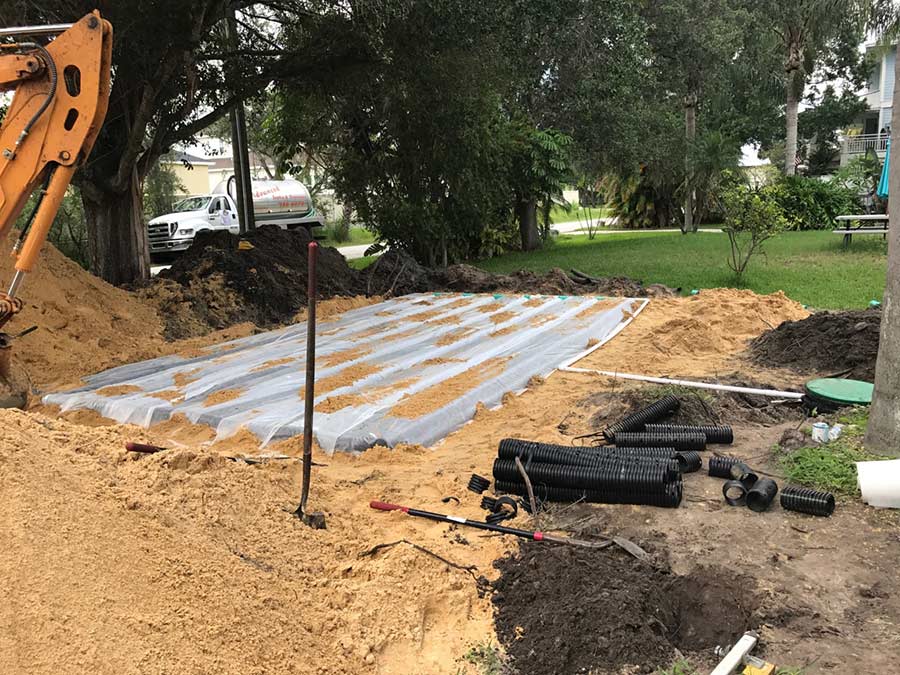
Where your waste goes after it gets flushed down the toilet isn't something that many of us think about very often, nor should it be. Thanks to technological advances in the last century, plumbing and public sanitation has become much more convenient, hygienic and precise. The vast majority of those of us who live in metropolitan areas have our home sewer lines tapped into the city sewer mains, which means that our waste travels to a public treatment plant to be processed. For homes and businesses that cannot tap into public sewer lines, however, using a septic tank is an option that provides similar results in a different manner. They are large holding tanks for sewage, almost always located below ground. They are usually constructed of plastic, and are often able to contain many weeks worth of waste. A septic tank can generally allow for the permanent disposal of waste in one of three ways: by being pumped out on a regular basis, by having bacteria or chemicals applied that eats away the waste naturally, or be allowing the waste to be dispersed naturally into the ground through a leech field. In all of these cases, septic tanks usually require less maintenance than you would think after the initial installation is complete. If you think that you might need to have a tank system installed at a home, business or constructions site, make sure that you research local contractors to see who offers the best prices and service. Thanks to modern technology, you shouldn't notice any discernible difference between being attached to a public sewer system and using a septic tank.
- Septic Tank Draining Service Polk County
- Tank Cleaning Service Auburndale
- Drain Field Installation Company Bartow
- Drain Field Contractor Bowling Green
- Septic Tank Cleaning Eagle Lake
- Cost Of Septic Tank Pumping Fort Meade
- Septic System Installation Frost Proof
- Sewage Pumping Company Haines City
- Sewage Tank Pumping Lake Alfred
- Drain Field Contractor Lake Wales
- Sewer Cleaning Service Lakeland
- Septic System Cleaning Service Mulberry
- Septic Tank Service Winter Haven


