
A septic system consists of a septic tank and drain field, and in some cases a pump tank for those who cannot gravity feed to the drain field like here in many parts of Polk County. Septic systems can last for decades, if given the proper maintenance along with some helpful tips and knowledge that all homeowners should know.
Contact Info:
Name: Billy Fowler
Email: [email protected]
Organization: ASAP Advanced Septic & Drainage, Inc.
Address: 5011 E Busch Blvd, Tampa, FL 33617
Phone: (813) 986-6070
Clean Your Septic Tank Before the Party!

Correct installation, overall system design and ongoing maintenance performed in your septic system will greatly extend the life and functionality of your homes onsite wastewater treatment center. Following theses prudent guidelines will soon be your first type of defense against overall system failure, odors, wet spots, gurgling sounds and early component breakage. Regular and frequent maintenance may help reduce the danger of well water contamination and can save you countless amounts of dollars in potential repair costs. In most septic systems, wastewater from toilets, sinks, tubs, showers, floor drains and basins flows through a maze of piping out to your tank or pit. The tank is generally constructed of cement or plastic in newer systems with either perforations within the tank itself or in lateral or field lines on the outflow side of the septic. As solids enter the system, they settle to the underside of the septic while bacteria and enzymes decompose the material into water and gases. Fats, oils and grease float to the the surface of the tank and form a scum layer which generally reduces more slowly. Restrictors or baffles prevent the scum layer from leaving the tank and clogging the drainage areas. The tank or pit will normally have access ports consisting of covers or cleanse lines. Septic system pumpers remove undigested solids through these access lines and may do a visual inspection through larger openings as part of a regular maintenance. There are numerous septic system designs ranging from single unit perforated tanks to multi compartment pre treatment reservoirs. Every one of the systems generally depend on bacteria and enzymes to break up waste right into a more manageable byproduct that the drainage area can quicker dispense of. With simple, bacteria rich waste entering the machine, most skeptics’provide several years of service and remain trouble free provided routine maintenance is adhered to. This optimal functionality might be idea but is often not the case in a real life environment. Most household cleaners comprising of laundry detergents, bleach, bath cleaners, kitchen cleaners, anti bacterial soaps and other common cleaners contain ingredients which can be for the most part detrimental to the healthy bacteria life within the system itself. Newer, more bacteria friendly goods are arriving on shelves regularly but are sometimes difficult to find or simply don’t perform as efficiently as their more harmful counterparts. Though some systems allow this tainted or grey water to flow right into a separate leaching area, many systems were created to be able to allow these harsh chemicals to enter directly into the septic system, killing off massive levels of bacteria across the way. If you’re like many individuals, diverting your laundry and other grey water flow can pose a problem and is influenced by whether or not you have an appropriate location to do this and this rerouting is allowed by the local municipality. If you are in a position to reroute your grey water, typically a French drain or drywell system is employed to deal with the waste. For the rest folks, working to boost the bacteria and enzyme counts within your system is the suitable approach to make certain system longevity and functionality. Cutting back on the utilization of, or trading out, harsh chemical cleaners may be the first faltering step to helping healthy bacteria flourish. Major retailers are now actually beginning to hold suitable lines of products that will effectively perform their function without killing off as much bacteria as their standard counterparts. Adding concentrated bacteria to your system is the premier method of assuring that bacteria colonies ado not be reduced to a non-performing state. Luckily, bacteria additives made for septic tank maintenance and complete restoration from failure are readily available. Bacteria, added straight to the machine in a stabilized form, can offset the destructive power of most chemicals and keep your bacteria life healthy and easily available to digest the waste within your system. Choosing bacteria that is chemical resistant and include a very good colony count is of the utmost importance since many over-the-counter products contain minimal amounts in comparison to commercial brands. If you have a septic system and wish to assure that the whole system will perform at maximum capacity for the longest period of time possible, consider greening up your chemical use and utilize a regular septic tank maintenance product designed to increase your colony counts. Both of these methods are the most important factors in maintaining any septic tank or pit type system. Click here : www.asapadvancedseptic.com
Typically, a 3 bedroom home with 2250 sq ft of living or less has a 900 gallon septic tank and can be used here in Polk County . The septic tank receives all the waste water from a home. This includes showers, toilets, washing machine, dishwasher and sinks. According to the American water works association, the average person uses about 70 gallons per day on average. The family of 4 would add up to 280 gallons a day. So, just imagine how fast your septic tank will fill up, and how much water must flow through the tank to make it out to the drain field.
How To Repair A Failing Septic System
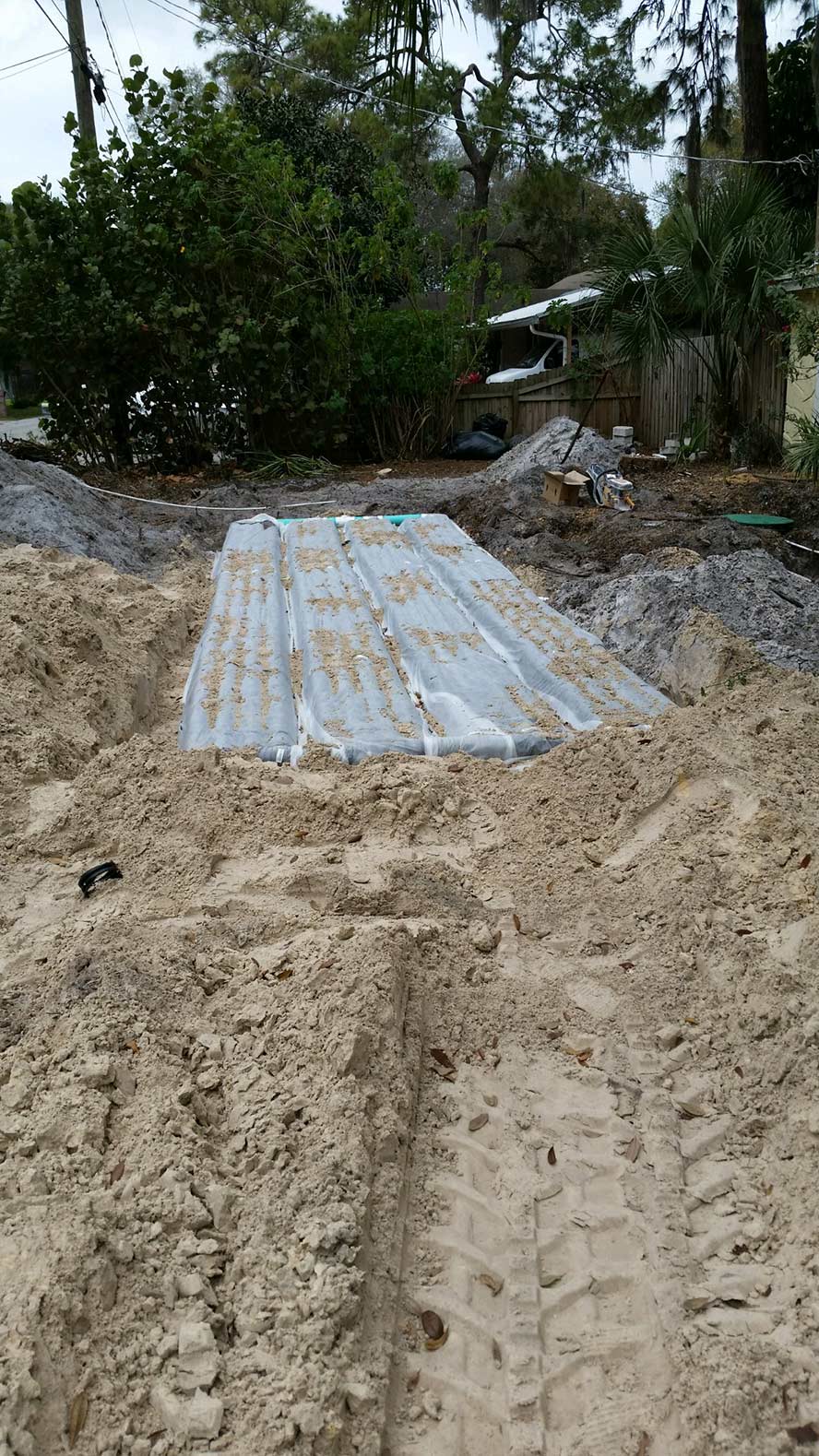
Septic system problems can occur and worsen extremely quickly. Learn how to identify issues with septic drain fields so that you can minimize damage and get the necessary repairs as soon as possible. When you live in an area that is not connected to a municipal sewer system, your septic tank and system are an essential part of your day-to-day life. As such, it's vital to keep them in good working order and to deal with any issues that come up as soon as possible. Septic system drain fields, in particular, often experience issues. Find out what problems to keep an eye out for, and how your local septic repair and service firm can resolve them so that your septic system stays in top shape. Drain fields are the part of your septic system where organic liquid waste drains out of the septic tank and is treated. After solid waste settles to the bottom of the septic tank, the remaining wastewater passes into perforated pipes. These pipes are covered by a layer of soil and disperse the wastewater over a large area. The wastewater then travels through a layer of gravel, then through a layer of soil. Here, bacteria in the soil filter the wastewater so that it is neutral before it reaches a groundwater level. Your drain field is the unseen hero of your septic system. From root removal to tank clean out, make sure you take care of it so that it will stay healthy and intact for years to come.
Through consistent septic tank pumping, and by following these important tips can help avoid costly backup and also increase the life of your system.
Septic Drain Field Problems and Repair: What to Look for and How to Get the Help You Need

Septic tanks are a great solution for remote or urban property owners who either cannot or do not want to be part of a municipal sewage system. A septic system is connected directly to the pipes of the residence or business and serves as an immediate filter and containment unit for water-bound domestic waste. There are certain risks related to the installation and maintenance of a septic tank; such risks have resulted in rules that need to be followed to protect the environment and property especially with the regular removal of the contents of the tank by a vacuum truck. Frequency Depending on the size of the unit and the household, a tank must be emptied every three to five years. This is necessary not only because of space limitations but also because the tank needs to be inspected with some regularity to check for cracks, leaks and blockages. Other reasons are as follows: Septic tanks serve a very useful purpose for many households. As long as properly maintained by regular pumping, cleaning and inspections, they should correctly function under all conditions and for a long service life. Hopefully this information will be helpful in knowing how a septic tank is cleaned!
- Septic Tank Draining Service Polk County
- Tank Cleaning Service Auburndale
- Drain Field Installation Company Bartow
- Drain Field Contractor Bowling Green
- Septic Tank Cleaning Eagle Lake
- Cost Of Septic Tank Pumping Fort Meade
- Septic System Installation Frost Proof
- Sewage Pumping Company Haines City
- Sewage Tank Pumping Lake Alfred
- Drain Field Contractor Lake Wales
- Sewer Cleaning Service Lakeland
- Septic System Cleaning Service Mulberry
- Septic Tank Service Winter Haven


