Polk County Sewage Tank Pumping

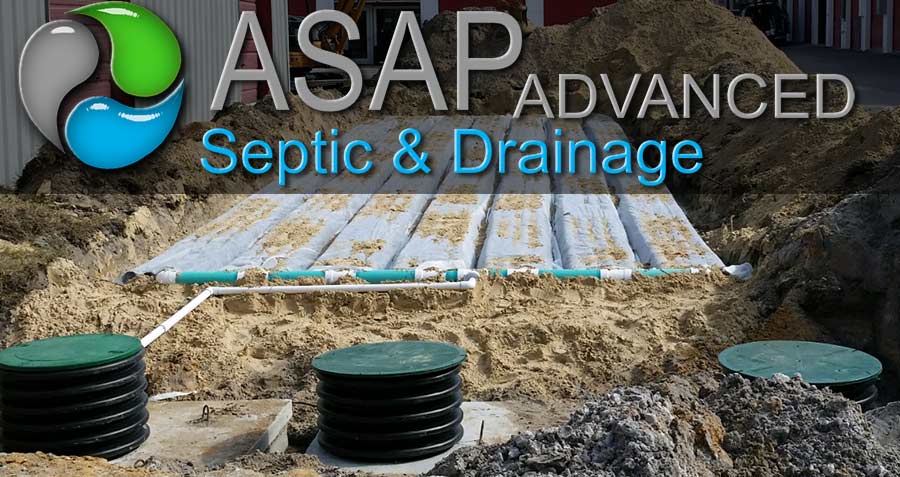
A septic system consists of a septic tank and drain field, and in some cases a pump tank for those who cannot gravity feed to the drain field like here in many parts of Polk County. Septic systems can last for decades, if given the proper maintenance along with some helpful tips and knowledge that all homeowners should know.

Contact Info:
Name: Billy Fowler
Email: [email protected]
Organization: ASAP Advanced Septic & Drainage, Inc.
Address: 5011 E Busch Blvd, Tampa, FL 33617
Phone: (813) 986-6070

Tips to Take Care of Your Septic System

Septic Pumping

Septic tank systems become clogged with roots in the leach lines, leach field, drain field or seepage field, causing backup of wastewater into the house. The inexpensive fix is to use copper sulfate through an installed cleanout or septic field pump.

Septic tank systems

Septic tank systems do not last forever and replacing one is a very expensive proposition. If your house is connected to the city sewer system, then you do not have a septic tank. A septic tank can be described as your very own little sewage treatment plant. There are three basic elements of a septic system:

  1. The septic line that carries sewage and waste water from your house to the tank. There is usually a cleanout plug at the house-end it so that you can run a snake down it to remove obstructions.
  2. The septic tank itself where sewage is held while undergoing decomposition. This is underground, probably under a grassy area, and has a cover that is usually buried in residential installations.
  3. The leach field, also referred to as a drain field or seepage field. This is a branching network of underground porous trenches, pipes or something similar that carries the clear liquid from the septic tank throughout adjacent soil where it is absorbed.

A clogged leach field

Eventually leach fields become clogged because the roots from trees and other vegetation are attracted to the nutrient-rich effluent. The roots grow through the pores intended to drain the liquid, seepage gradually slows or stops.

If sufficient pressure cannot be released through the pores of the leach field, the entire septic system cannot accept any more waste water and it backs up in the house, usually at a low point such as a shower or tub drain. If it gets that bad, you may have to replace the entire leach field. In many localities, that will require a building permit and meeting current building codes, which means replacing the entire septic system, which is expensive, etc.

Kill roots with copper sulfate

Since this is obviously something to avoid, you can often extend the life of the old system by taking action when sewage flow has slowed, but not completely stopped. Copper sulfate kills roots. If it can be placed into the system so that it will flow through the leach field, the roots will die (but not the plants) and waste water will begin to flow more freely again after a few weeks. In many systems, this isn’t as easy as it sounds, because copper sulfate is so heavy that it will settle to the bottom of the septic tank unless inserted into the leach line leading from the tank. If you have a cleanout or other access there, you’re all set, but many residential systems do not. I prefer the crystal form over the powder because it's easier to handle, cheaper and dissolves more slowly, .

Install a leach line cleanout

If necessary, it is not very expensive to have a cleanout installed in the leach line expressly for the purpose of adding copper sulfate periodically. If that still doesn’t quite work, or if you want to be sure the stuff is going to flow more quickly, you can pump it through the leach field.

It is possible to install a pump on the leach line cleanout between the septic tank and the leach field. It can be buried below ground level or installed above ground and concealed with landscape bushes. The pump turns on and off automatically to maintain a slight pressure on the waste water, pushing it through the pores of the seepage field. Adding copper sulfate at intervals through a cleanout at this point is effective to drive the chemical towards the offending roots.

Killing the roots may extend the life of the septic system a few years, but it will ultimately need to be replaced with a completely modern one—unless you can successfully lobby for a neighborhood hook-up, of course.

Typically, a 3 bedroom home with 2250 sq ft of living or less has a 900 gallon septic tank and can be used here in Polk County . The septic tank receives all the waste water from a home. This includes showers, toilets, washing machine, dishwasher and sinks. According to the American water works association, the average person uses about 70 gallons per day on average. The family of 4 would add up to 280 gallons a day. So, just imagine how fast your septic tank will fill up, and how much water must flow through the tank to make it out to the drain field.

Septic Leach Field Lines Clogged by Tree Roots: Cheap Drain Fix

Septic Tank Pumping Company

The septic system in the house or the building they own is not something that most homeowners think about regularly. However, this can be a big mistake. When the worst-case scenario happens - you find that the system has failed or is failing - you must get it fixed quickly.

So what exactly is a septic system? Hopefully you are not trying to find the answer to this question after learning you've got a big mess brewing under your lawn!

A septic system is what allows us to dispose of waste at a safe distance from the home. It consists of two parts: a septic tank and a drainfield. The tank is where all the wastewater goes first. The tank holds the wastewater long enough for liquids and solids within the water to separate, and for bacteria to break down the solids. Any clarified water leftover from this process gets pumped into the drainfield, where it gets one more filtering and cleaning before trickling out into the soil.

Don't redirect the sewage to a storm sewer, road ditch, or a farm drain tile. You're just creating a health hazard by polluting the water. Likewise, don't run the sewage into a sinkhole or drainage well as this pollutes the groundwater.

This goes in hand with the "lack of maintenance" angle: Don't wait for the system to fail before pumping the septic tank. It's already too late by then.

Note that repairing physical damage, improving surface and subsurface drainage, and installation of additional lines of absorption may not be enough - you might need to install a whole new system.

Through consistent septic tank pumping, and by following these important tips can help avoid costly backup and also increase the life of your system.

What Is Septic Tank Cleaning?

Septic Tank Emptying

Now that you have chosen to maintain your septic system you are faced with a few question; how will you do it? Where will you start? How much money is it going to cost? Etc. Once you learn more about septic maintenance the more you will realize that choosing to maintain your septic system is a great decision that may potentially save you from terrible odors, clogging, and even more costly repairs.Your septic tank is container that relies on 2 things to work properly: gravity and bacteria. Gravity causes the waste to separate and settle in layers. Bacteria decomposes the waste.. Your septic tank is underground so you never know when you are going to have a problem. Using a septic treatment that contains bacteria and enzymes that boost the bacteria growth is the best and most reliable way to maintain your system.

The best way to maintain your septic system is to monitor what goes into your tank and make sure to replenish the good bacteria in your tank.. Avoid harsh cleaners, anti-bacterial cleaners and soaps, and any items that are not organic. Because these items harm the good bacteria in your septic tank, it is important to use a septic maintenance product that contains bacteria and enzymes to replace and replenish those bacteria. Doing both of these things will make septic maintenance easy and affordable.


Home

Septic Tank Draining Service Polk County

Septic tanks are a great solution for remote or urban property owners who either cannot or do not want to be part of a municipal sewage system. A septic system is connected directly to the pipes of the residence or business and serves as an immediate filter and containment unit for water-bound domestic waste. There are certain risks related to the installation and maintenance of a septic tank; such risks have resulted in rules that need to be followed to protect the environment and property especially with the regular removal of the contents of the tank by a vacuum truck.

Frequency

Depending on the size of the unit and the household, a tank must be emptied every three to five years. This is necessary not only because of space limitations but also because the tank needs to be inspected with some regularity to check for cracks, leaks and blockages. Other reasons are as follows:

    • Emergencies – Pumping can also become necessary in cases of emergency. Sewage backup and drain clogging may occur due to blockages which need to be cleared immediately to keep the problem from escalating. Flooding can cause similar problems.


    • Precautionary Measure – Emptying the primary container can also be a precautionary measure when there are many household members; parties with many guests; or other circumstances where many people would be using the toilets.


    • Odors – Sometimes tanks are suctioned due to permeating sewer odors escaping from the system as that could be a symptom of leaking gas needing to be repaired separately. Evidence of septic failure must be attended to immediately by a professional repair company.


  • Selling Property – It is also customary to pump out the septic system before selling property.

Septic tanks serve a very useful purpose for many households. As long as properly maintained by regular pumping, cleaning and inspections, they should correctly function under all conditions and for a long service life. Hopefully this information will be helpful in knowing how a septic tank is cleaned!

Follow these safety tips given below when inspecting your septic system:

1. Septic tank lid
Make sure that the access port of your tank is covered with a solid lid. Make sure that the lid is strong enough. Kids should not be able to open it. If you have no idea as to how to install the system, you can call a professional for help. The company will be more than happy to help with the inspection.

2. The tank opening
You should never lean over the septic tank opening. The reason is that the gasses that come out of the tank may knock you out. You may also fall in the tank, which may prove fatal.

3. Driving Over The septic system
Driving heavy machine on the ground where the tank system is buried is not a good idea. Actually, you may have to bear heavy costs in order to get the broken pipes repaired. So, make sure you don’t drive heavy equipment or machinery on the ground where you buried the tank system.

Contact Info:
Name: Billy Fowler
Email: [email protected]
Organization: ASAP Advanced Septic & Drainage, Inc.
Address: 5011 E Busch Blvd, Tampa, FL 33617
Phone: (813) 986-6070

Septic Tank Maintenance - 5 Essential Factors For Proper Septic Systems

Septic Tank Contractor

For those people who work with septic trucks and are involved in their day-to-day operation, it is important to know and understand that this piece of equipment should be regularly maintained to accomplish its tasks easily and efficiently.Although this scenario is rare or seems as if it impossible to happen, it is possible for a septic truck to stop working in the middle of a job. This can happen if the equipment is not properly maintained on a regular basis. Following are some guidelines to keep the entire vehicle as well as the system itself in excellent operating condition.Septic Tank Cleaning and MaintenanceIt is approximated that about 25 percent of all households in the United States use septic tank systems. Each system must be regularly maintained to prevent sludge and scum from building up and preventing the whole setup from proper functioning. This means that the septic truck is a piece of equipment that is regularly used to perform routine septic system maintenance.By following and performing these simple tips in maintaining a septic truck, there will be a great impact on the value and profitability of the business investment in this heavy-duty vehicle. Happy cleaning!


Septic Pumping - Do You Want to Save Money?

Septic Draining Service

Where your waste goes after it gets flushed down the toilet isn't something that many of us think about very often, nor should it be. Thanks to technological advances in the last century, plumbing and public sanitation has become much more convenient, hygienic and precise. The vast majority of those of us who live in metropolitan areas have our home sewer lines tapped into the city sewer mains, which means that our waste travels to a public treatment plant to be processed. For homes and businesses that cannot tap into public sewer lines, however, using a septic tank is an option that provides similar results in a different manner.

They are large holding tanks for sewage, almost always located below ground. They are usually constructed of plastic, and are often able to contain many weeks worth of waste. A septic tank can generally allow for the permanent disposal of waste in one of three ways: by being pumped out on a regular basis, by having bacteria or chemicals applied that eats away the waste naturally, or be allowing the waste to be dispersed naturally into the ground through a leech field. In all of these cases, septic tanks usually require less maintenance than you would think after the initial installation is complete.

If you think that you might need to have a tank system installed at a home, business or constructions site, make sure that you research local contractors to see who offers the best prices and service. Thanks to modern technology, you shouldn't notice any discernible difference between being attached to a public sewer system and using a septic tank.

Septic Tank Pumping - You Can Repair Many Septic Tank Problems Yourself And Save A Ton Of Money

Drain Field Installation Contractor

While having a septic system at home is great, it is also a big responsibility. You need to get your pump cleaned every two or three years depending on various factors. This should be done so that the whole system works smoothly and you won't have to keep repairing or even replacing the tank.Important Factors to ConsiderLifestyle: The two major lifestyle factors that affect the septic system are the age of people living in the house and the amount of water that is used at home. Age is an important factor because houses with young children and growing families often use a lot more water and they don't really watch what is being put down the drains. On the other hand, older people, especially couples living on their own, often do not use as much water. So when there is less water being used at home, less solid mater is put down the drain along with the water.When you get your tank pumped, it is advisable to get it inspected as well. Most companies who offer septic services also have certified inspectors who will let you know if there is any damage to the septic system and if any repairs need to be conducted. If you can put in this little effort and ensure that the whole system is cleaned out and inspected occasionally, your septic tank won't only last you for years but it will also work smoothly and manage wastewater effectively.

5 Tips to Keep Your Septic System Running Clean

Aerobic Septic Tank

Septic tanks are a great solution for remote or urban property owners who either cannot or do not want to be part of a municipal sewage system. A septic system is connected directly to the pipes of the residence or business and serves as an immediate filter and containment unit for water-bound domestic waste. There are certain risks related to the installation and maintenance of a septic tank; such risks have resulted in rules that need to be followed to protect the environment and property especially with the regular removal of the contents of the tank by a vacuum truck.

Frequency

Depending on the size of the unit and the household, a tank must be emptied every three to five years. This is necessary not only because of space limitations but also because the tank needs to be inspected with some regularity to check for cracks, leaks and blockages. Other reasons are as follows:

  • Emergencies - Pumping can also become necessary in cases of emergency. Sewage backup and drain clogging may occur due to blockages which need to be cleared immediately to keep the problem from escalating. Flooding can cause similar problems.

  • Precautionary Measure - Emptying the primary container can also be a precautionary measure when there are many household members; parties with many guests; or other circumstances where many people would be using the toilets.

  • Odors - Sometimes tanks are suctioned due to permeating sewer odors escaping from the system as that could be a symptom of leaking gas needing to be repaired separately. Evidence of septic failure must be attended to immediately by a professional repair company.

  • Selling Property - It is also customary to pump out the septic system before selling property.

Septic tanks serve a very useful purpose for many households. As long as properly maintained by regular pumping, cleaning and inspections, they should correctly function under all conditions and for a long service life. Hopefully this information will be helpful in knowing how a septic tank is cleaned!

So, these are a few precautions that you may want to take if you are going to work on a septic tank system. This is important should you want to keep you and your family safe around the system. When in doubt, it’s a good idea to call a local septic service in Polk County . Hopefully, these tips will help.

SEPTIC TANK CARE | WHO TO CALL FOR SERVICE IN Polk County

Septic system problems can occur and worsen extremely quickly. Learn how to identify issues with septic drain fields so that you can minimize damage and get the necessary repairs as soon as possible.

When you live in an area that is not connected to a municipal sewer system, your septic tank and system are an essential part of your day-to-day life. As such, it's vital to keep them in good working order and to deal with any issues that come up as soon as possible. Septic system drain fields, in particular, often experience issues. Find out what problems to keep an eye out for, and how your local septic repair and service firm can resolve them so that your septic system stays in top shape.

Drain fields are the part of your septic system where organic liquid waste drains out of the septic tank and is treated. After solid waste settles to the bottom of the septic tank, the remaining wastewater passes into perforated pipes. These pipes are covered by a layer of soil and disperse the wastewater over a large area. The wastewater then travels through a layer of gravel, then through a layer of soil. Here, bacteria in the soil filter the wastewater so that it is neutral before it reaches a groundwater level.

Your drain field is the unseen hero of your septic system. From root removal to tank clean out, make sure you take care of it so that it will stay healthy and intact for years to come.


Polk County Sewage Tank Pumping

Home