
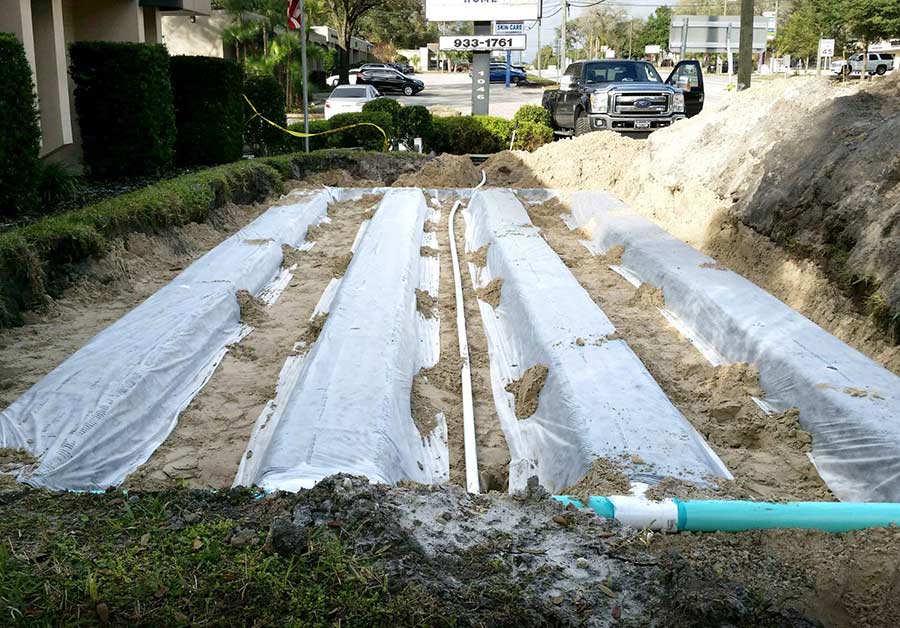
A septic system consists of a septic tank and drain field, and in some cases a pump tank for those who cannot gravity feed to the drain field like here in many parts of Polk County. Septic systems can last for decades, if given the proper maintenance along with some helpful tips and knowledge that all homeowners should know.
Contact Info:
Name: Billy Fowler
Email: [email protected]
Organization: ASAP Advanced Septic & Drainage, Inc.
Address: 5011 E Busch Blvd, Tampa, FL 33617
Phone: (813) 986-6070
Pumping Your Septic Tank: How Often Does It Need To Get Done?
For those people who work with septic trucks and are involved in their day-to-day operation, it is important to know and understand that this piece of equipment should be regularly maintained to accomplish its tasks easily and efficiently.Although this scenario is rare or seems as if it impossible to happen, it is possible for a septic truck to stop working in the middle of a job. This can happen if the equipment is not properly maintained on a regular basis. Following are some guidelines to keep the entire vehicle as well as the system itself in excellent operating condition.Septic Tank Cleaning and MaintenanceIt is approximated that about 25 percent of all households in the United States use septic tank systems. Each system must be regularly maintained to prevent sludge and scum from building up and preventing the whole setup from proper functioning. This means that the septic truck is a piece of equipment that is regularly used to perform routine septic system maintenance.By following and performing these simple tips in maintaining a septic truck, there will be a great impact on the value and profitability of the business investment in this heavy-duty vehicle. Happy cleaning!
Typically, a 3 bedroom home with 2250 sq ft of living or less has a 900 gallon septic tank and can be used here in Polk County . The septic tank receives all the waste water from a home. This includes showers, toilets, washing machine, dishwasher and sinks. According to the American water works association, the average person uses about 70 gallons per day on average. The family of 4 would add up to 280 gallons a day. So, just imagine how fast your septic tank will fill up, and how much water must flow through the tank to make it out to the drain field.
What Is Septic Tank Cleaning?

Septic tank problems often occur with systems that are onion- shaped. The liquids and solids in a septic tank are separated by a baffle that comes in the form of a ball-shaped figure, or an inner sleeve shaped skin that has hooks attached to it at the top of the inner side of the neck. However, the wear and tear in the passing years may tear off the baffle allowing it to sink in the tank. Also, the ball in the receptacle may be knocked loose and disentangle itself. Most septic system problems begin with these two scenarios because liquid and solid wastes combine as they go through the soak away and this may cause a blockage. One way to address septic tank problems especially if the baffle collapsed is for a homeowner to set-up a filter for his tank. Filters like these can be placed by a homeowner inside an outlet pipe, so that the septic system can function more effectively not to mention that it can save one a significant amount of money. However, if problems are more acute, a homeowner has no other recourse but to replace his or her old septic tank. Another concern that is related to cesspit are open, loose, or worn-out manhole covers. Other problems that can be resolved yourself are solids blocking the soakway. A T-bar can used to unblock the passage. This very basic baffle is made of clay, but for those who want to replace it with a current version. The replacements units are generally reproduced in plastic to save on cost. However, one has to be careful with these baffles because if they are not correctly installed, the solids will still enter the soakway unhampered causing more damage. A homeowner would perhaps consider buying septic tank filler for him to solve his septic tank problems himself and save on the installation costs. On the other hand, this type of job is often better handled by a professional who isn't afraid to get his hands dirty.
Through consistent septic tank pumping, and by following these important tips can help avoid costly backup and also increase the life of your system.
Septic Treatment Products Vs Home Made Septic Cleaners

Septic tanks are a great solution for remote or urban property owners who either cannot or do not want to be part of a municipal sewage system. A septic system is connected directly to the pipes of the residence or business and serves as an immediate filter and containment unit for water-bound domestic waste. There are certain risks related to the installation and maintenance of a septic tank; such risks have resulted in rules that need to be followed to protect the environment and property especially with the regular removal of the contents of the tank by a vacuum truck. Frequency Depending on the size of the unit and the household, a tank must be emptied every three to five years. This is necessary not only because of space limitations but also because the tank needs to be inspected with some regularity to check for cracks, leaks and blockages. Other reasons are as follows: Septic tanks serve a very useful purpose for many households. As long as properly maintained by regular pumping, cleaning and inspections, they should correctly function under all conditions and for a long service life. Hopefully this information will be helpful in knowing how a septic tank is cleaned!
- Septic Tank Draining Service Polk County
- Tank Cleaning Service Auburndale
- Drain Field Installation Company Bartow
- Drain Field Contractor Bowling Green
- Septic Tank Cleaning Eagle Lake
- Cost Of Septic Tank Pumping Fort Meade
- Septic System Installation Frost Proof
- Sewage Pumping Company Haines City
- Sewage Tank Pumping Lake Alfred
- Drain Field Contractor Lake Wales
- Sewer Cleaning Service Lakeland
- Septic System Cleaning Service Mulberry
- Septic Tank Service Winter Haven


